5 Takeaways
Gliding along far below the ocean surface, nuclear attack submarines are designed to be silent killers, hunting down enemy ships before vanishing into the shadowy deep.
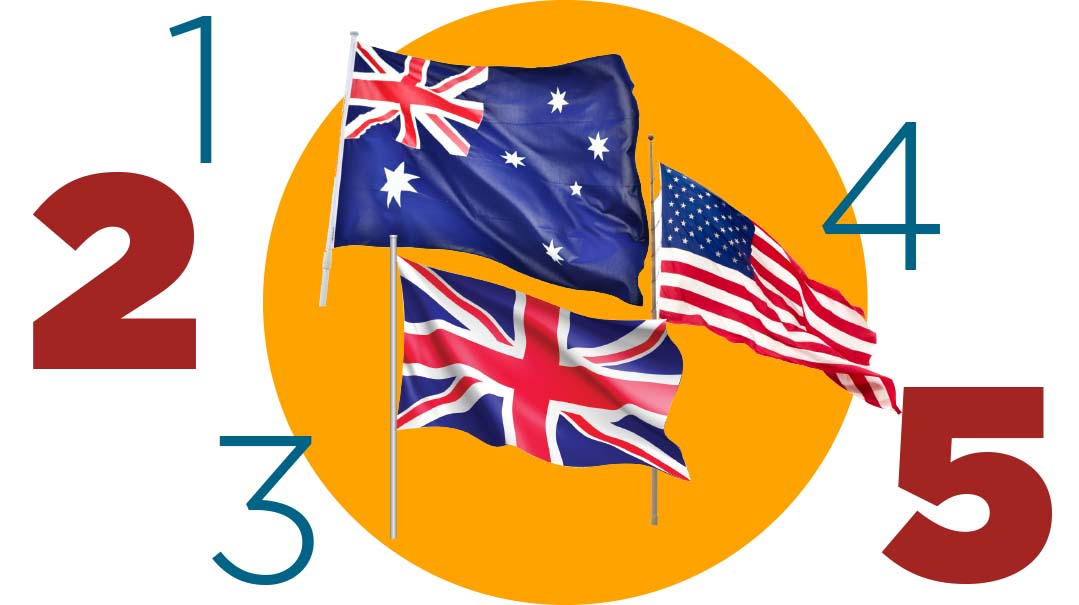
So it’s ironic that a multibillion-dollar deal to supply Australia with the stealthy vessels is making waves. Not only is China — the intended target of the advanced weaponry — up in arms. The deal has also ruptured America’s relations with France, and showcased a nascent Anglosphere alliance to confront the Chinese in the Indo-Pacific, as Biden moves to put the Afghan disaster behind him.
- Beijing bully The background is Communist China’s relentless military expansion, which has put Australia on the front lines of a new cold war. The two countries’ relationship has deteriorated since 2018, despite massive trade. First came Chinese belligerence in the South China Sea; then Australia banned Chinese firm Huawei from supplying critical communications kit for fear of compromising Australia’s networks; and then Canberra’s’s call for investigations into Covid’s origins infuriated Beijing. Party mouthpieces have responded with extraordinary rhetoric against Australia, such as reminders that the country lies within range of Chinese ballistic missiles.
- Nuclear option The dramatic response to those threats came last month, with President Biden’s announcement of a new three-way security pact between the US, UK, and Australia. The agreement, known as AUKUS, will see America and Britain help Australia build its own nuclear-powered submarine fleet, including advanced technology transfers at a cost of almost $100 billion. The impetus behind the deal, Australian prime minister Scott Morrison explained, was that “the relatively benign security environment that Australia has enjoyed over many decades is behind us.”
- America all-in The real meaning of the pact, said Sam Roggeveen of the Lowy Institute, an Australian think tank, is what it indicates about America’s commitment to the fight against a rising China. “The US has only ever shared this technology with the United Kingdom, so the fact that Australia is now joining this club indicates that the United States is prepared to take significant new steps and break with old norms to meet the China challenge. I have been skeptical of the idea that the United States really wanted to enter a cold war with China, but this announcement is significant evidence that it is indeed prepared to take such a momentous step.”
- French fury Even more furious than China has been France, who signed a contract in 2016 to supply the Australian navy with less advanced diesel-electric subs. Canberra notified Paris that it was canceling the deal mere hours before the AUKUS pact was announced. French president Emmanuel Macron hit back by recalling ambassadors to both Australia and the US – remarkably, for the first time since American independence. The fit of pique wasn’t just about the loss of $40 billion in trade, but fury at being blindsided by America’s geopolitical realignment. The latest display of US contempt for Europe will reinforce Macron’s contention that the EU needs to develop its own military power independent of the US and NATO.
- Afghan aftershocks Lastly, although the deal was reportedly discussed for months, it’s hard not to see in the suddenness of the announcement an attempt by the Biden administration to reset the agenda after the Afghanistan debacle. Dating back to the Obama-era “pivot” to Asia, the declared aim of America’s disengagement from the Middle East has been to counter China’s rise. By pledging to arm a China-facing ally with game-changing weaponry mere weeks after the fall of Kabul, Joe Biden is giving that commitment teeth.
Cat + cream
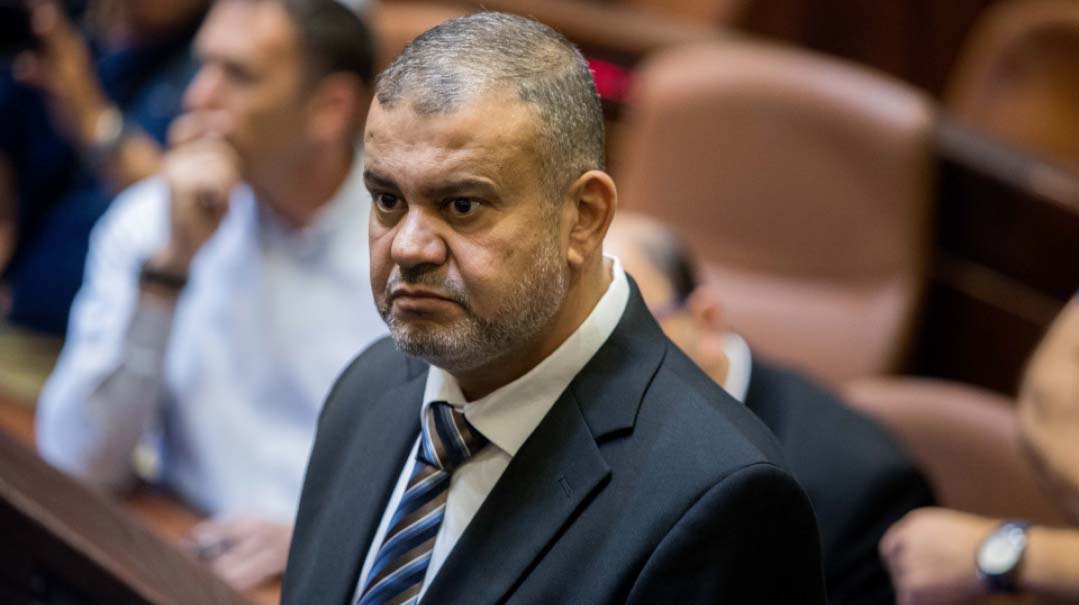
The strangeness of Israel’s left-right-Arab government may be wearing off, but the sight of MK Walid Taha — a man reported to have repeatedly supported terrorists — acting as head of the Knesset’s Interior Committee will take some getting used to.
Recently asked what his Arab Ra’am party would do if another Gaza war broke out, Taha indicated that they would remain in the coalition. “If we left the coalition, would the next government be better for Gaza?” he asked.