The island was barren and had no animal life...yet it had hundreds of massive stone statues
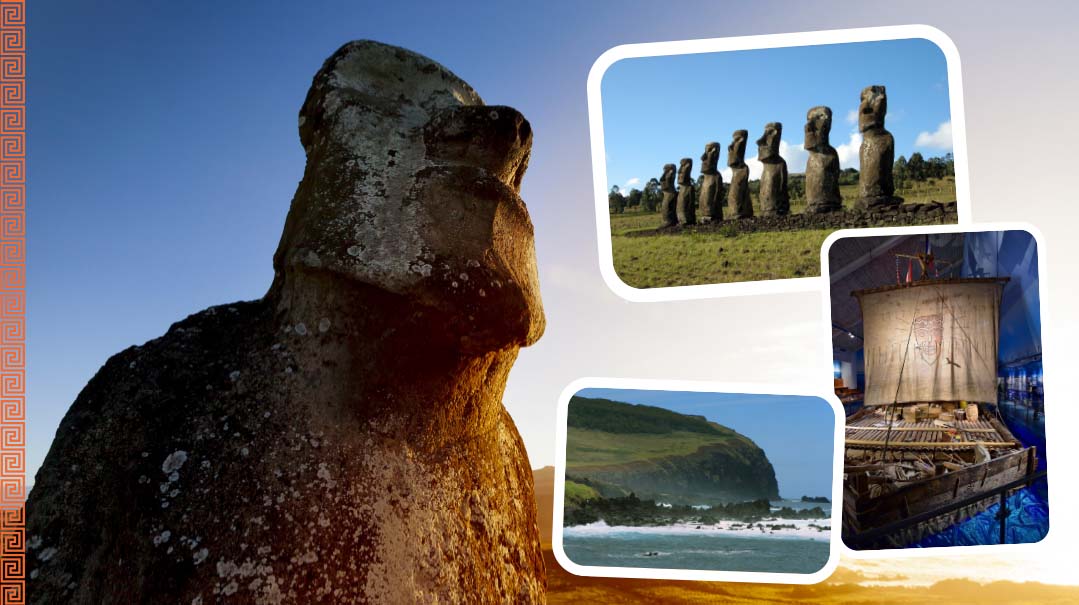
Easter Island is a small island in the middle of the South Pacific Ocean, more than 2,000 miles away from Chile, its closest inhabited neighbor. On April 5, 1722, Dutch explorer Jacob Roggeveen accidentally discovered Easter Island while attempting to find a different island altogether. Roggeveen named it Easter Island because he discovered it on the holiday of Easter. The native islanders call the island “Rapa Nui,” and this is also what the islanders themselves are called.
As Roggeveen and the other members of his expedition approached it by ship, they thought it was nothing more than a sand dune. Once they landed, they saw that their initial assumption hadn’t been far off. The island was all but barren, and what little vegetation did exist was dry and unattractive.
Indeed, modern-day botanists have discovered that the island is home to just 47 native plant species, most of which are grasses, reeds, and climbing plants. There are only two tree species and two shrubs that are native to the island.
Native wildlife, too, is scarce. Researchers claim that the island is not home to anything larger than an insect!
Create a free account to keep reading.