Supply chains are broken and we'll all feel the pain
But the most visible symbol of the supply chain crisis pushing up prices across the developed world is now the container ship flotilla outside the ports of Los Angeles and Long Beach on America’s West Coast.
With over 70 of the gargantuan vessels idling offshore — and America’s holiday shopping in their holds — global supply chains have gone from snore-inducing specialty to kitchen table issue.
So, what is the source of the global snarl-up, and are there any quick fixes? With surging demand meeting Covid restrictions and long-term supply-chain problems, it looks like it’ll be a while before shelves are restocked from Los Angeles to London.
How bad can ship delays really be?
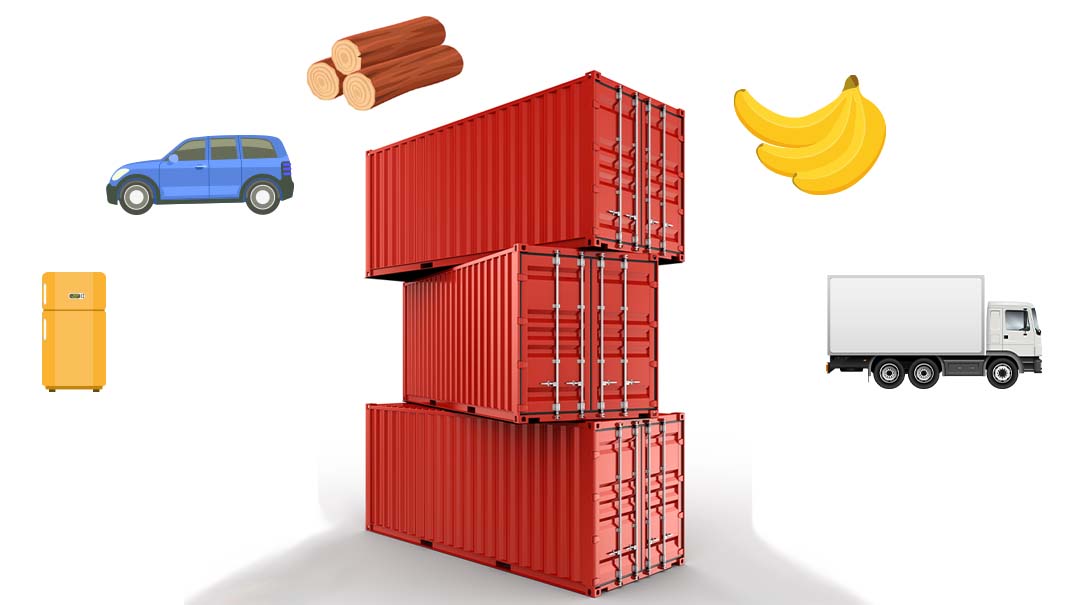
First, the scale of the problem. International shipping is measured in TEUs (Twenty-foot Equivalent Units, based on the standard 20-foot small shipping container), and the average container ship packs about 21,000 of these. According to the SeaRates blog, a TEU can load up to two SUVs, 50 to 60 fridges, or 48,000 bananas. So the marine snarl on America’s West Coast is equivalent to:
Create a free account to keep reading.