“Mi l’Hashem elai!” In every generation, there are those who respond and take a stand for Hashem
My father was a rabbi in America throughout the ’50s, ’60s and early ’70s. He ministered to Orthodox congregations, though most of the members weren’t religious, and I spent my early childhood moving across the length and breadth of the United States. I was born in Prague; my sister Esther was born in Bangor, Maine; my sister Chaya was born in Los Angeles, California.
Gazing across America’s “fruited plain,” it’s difficult to fathom that Orthodox life — right, center, left — didn’t always look as vibrant it does today. In some of the smaller cities where we lived, the observant families could be counted on one hand — with digits leftover.
We eventually settled in the Midwest where my parents found day schools and enough Jewish life to ensure a measure of normalcy. We had friends who, though small in number, constituted our extended “nearest and dearest.”
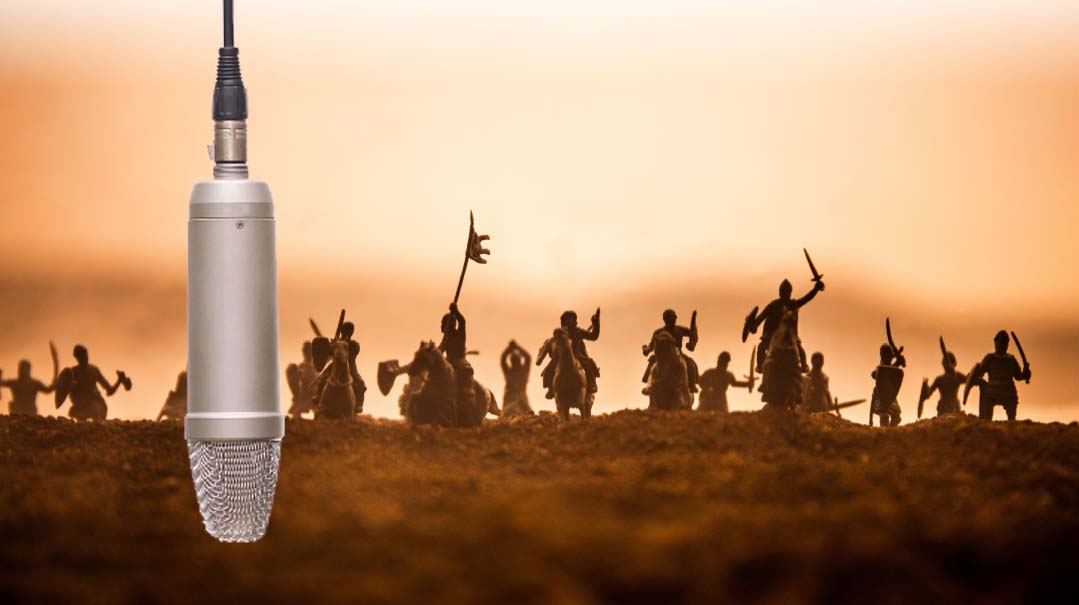
During those decades, Orthodox congregations were bleeding out. There was threatening encroachment on traditional Judaism by lesser ritually observant factions, and the battlefields were littered with compromised and discarded mechitzahs. The use of microphones in shul on Shabbos was becoming the next line in the sand. My father’s synagogue board — in an effort to try and stem the tide and appeal to a younger crowd — asked my father about installing a microphone.
Create a free account to keep reading.