Reb Moshe Goldman, a proud and devoted Bobover chassid, was the premier chassidish composer of his time
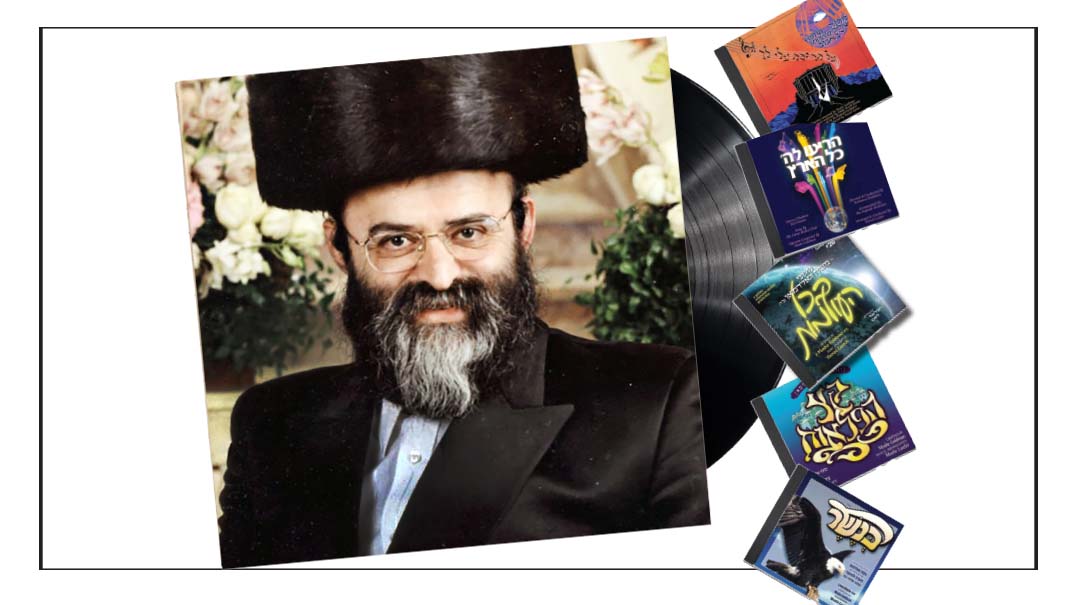
The impact of Moshe Goldman’s contribution to the Jewish music industry is well-known, but what’s surprising is the enduring influence of his genre on chassidic music of the last decade, after he’d already passed away. Some of today’s most prominent chassidic music artists still consider Reb Moshe Goldman their rebbi in niggun. With over 380 compositions and 21 albums, Reb Moshe was among the most prolific composers of chassidic music in modern times. But he was more than an artist: He built a foundation on which today’s return-to-roots chassidic music industry still rests.
Reb Moshe was born in Germany in 1952, to a family of Bobover chassidic parents who survived the Nazi death camps and rebuilt their lives. He grew up in Eretz Yisrael, and came to America as a chassan. His soul was intertwined with music (even though he never played an instrument or read notes), and in 1974, an unexpected appointment to direct Camp Shalva, Bobov’s summer camp, jumpstarted his music career — his compositions became part of the camp’s soundtrack. Ten years later, in 1984, he released his first album, Al Har Gavoha — the first of 21 Camp Shalva albums.
Reb Moshe’s secret, say industry insiders, is that he introduced new arrangements and rhythms that hadn’t been used in this genre before, but he also stayed pure — he never allowed wild styles to invade his musical territory.
“For my father, the distribution of his yearly albums was a life’s mission,” his son Reb Chaim Yitzchok told Mishpacha. “He saw it as a kind of holy war against artists who tried to penetrate the cocoon of holy music and introduce foreign styles. He released a new album every year, and when he was asked why he worked so hard to make one album after another, even though it wasn’t always financially prudent, he replied: ‘As long as yeneh chevreh are giving out their stuff, then I won’t rest from producing holy songs.’ ”
Create a free account to keep reading.