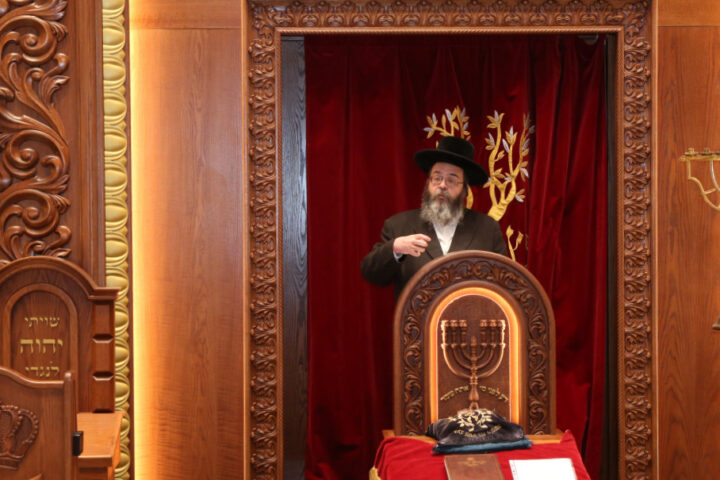
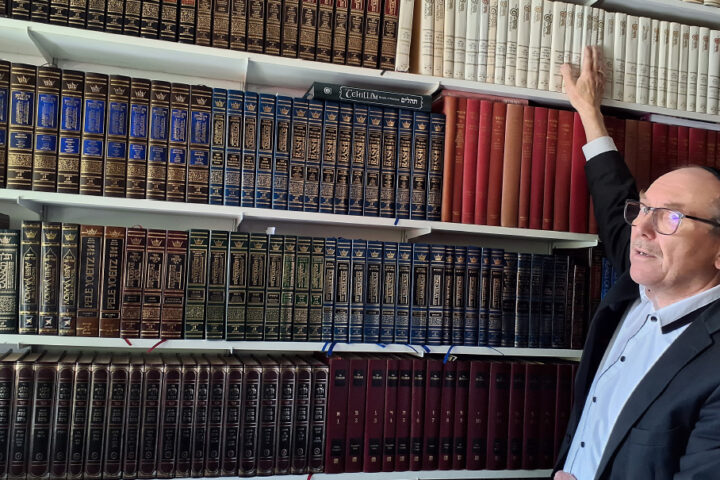
It began during the Yom Kippur War, when Reb Moshe Speigel was appointed by the military rabbinate to identify casualties who’d been injured beyond recognition. Ever since, he’s made caring for lonely niftarim — the beggars, indigents, and anonymous sufferers who have no one else in the world to tend to their final needs and no one to mourn them — a mission for life.
His death, like his life, was cold and lonely. There were no friends or family members to sit at his bedside during his final moments, to hold his hand and whisper some last parting words or say a few kapitlach of Tehillim for his soul’s journey. He was alone and abandoned in a cold hospital room as he took his last breath and returned his soul to its Creator.
They didn’t even know his name.
He was brought to Ichilov Hosptial in Tel Aviv without any identification, although a few people recognized him as the lonely man who used to sit at the end of Rechov Neve Shaanan, begging for alms. Paramedics brought him to the hospital after he collapsed one afternoon, but the pockets of his tattered garments didn’t contain a single identifying document or scrap of paper with a name or phone number. Still, he was a Jew who had to be given a Jewish burial, but who didn’t have an acquaintance in the world to provide it for him.
Ichilov contacted Reb Moshe Speigel, the funeral director at Petach Tikvah’s Beilinson Hospital and director of Chevrah Kadisha Shomrei Hadas, to collect the body and prepare it for burial. Speigel, as every hospital in the area knows, is the chesed shel emes address when it comes to burying the abandoned, the homeless, the anonymous. Although no one knew the man’s name in life, Speigel wanted to make sure he’d have some marker of his existence in This World even after death. But who was he? Speigel spoke to everyone on the hospital staff who’d cared for him, hoping to find a hint, and one nurse reported that the man had whispered a name to her before losing consciousness. Perhaps he was trying to identify himself?
Speigel and his team set out with this clue, scanning the phone books for someone with that name. They found several such names, one of them showing a residential address not far from where the niftar regularly begged for charity. Perhaps the apartment would give more clues to this man’s life.
Create a free account to keep reading.