Conspicuously absent was an emerging rabbinical leader of the Old Yishuv, Rav Yosef Chaim Sonnenfeld
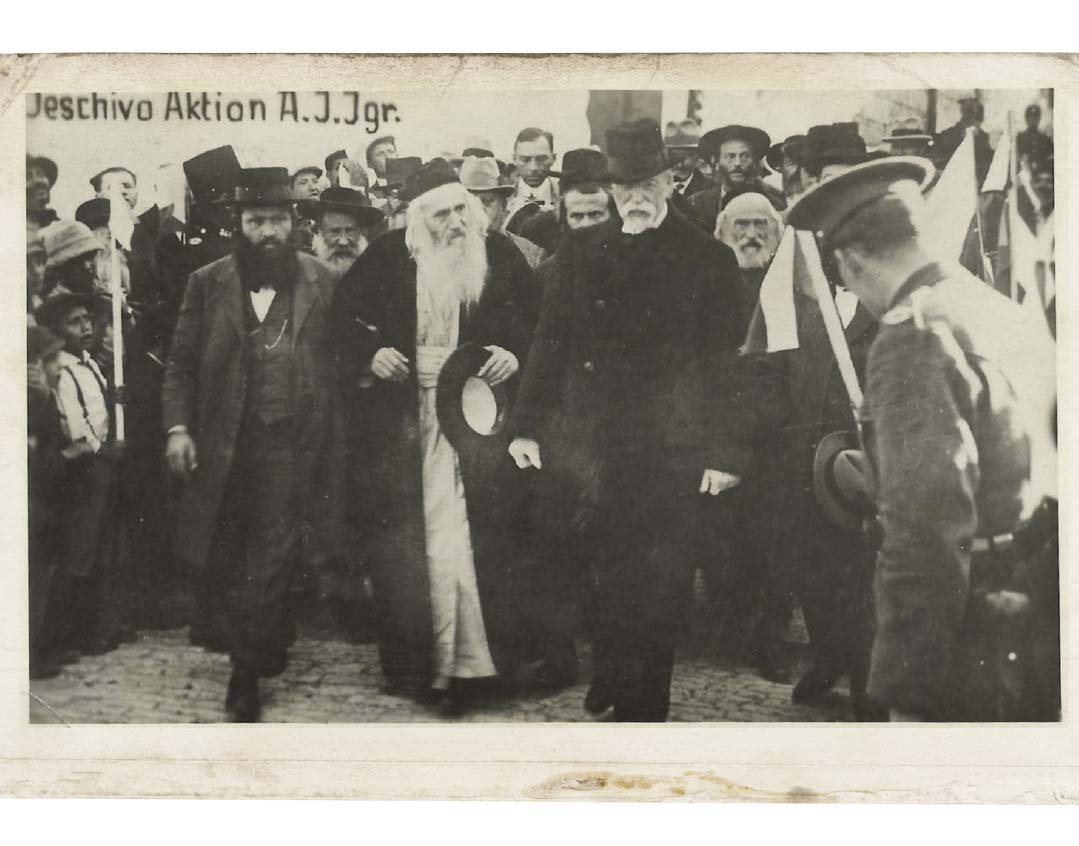
The 1869 visit of Emperor Franz Joseph of Austria marked the first visit by a European sovereign to the Holy Land in over six centuries. Others soon followed.
In the fall of 1898, Kaiser Wilhelm II of Germany made a highly publicized visit to the Levant to solidify his relationship with the Ottoman Empire. On October 29 his entourage arrived in Jerusalem. Among the many who joined the royal reception were representatives of the Jewish Yishuv, both old and new. An elaborately decorated makeshift gate was erected on Rechov Yaffo. The chief rabbis of the city, Rav Shmuel Salant and Rav Yaakov Shaul Elyashar, along with leading dignitaries of the Jewish community, stood at the head of the crowd.
Conspicuously absent was an emerging rabbinical leader of the Old Yishuv, Rav Yosef Chaim Sonnenfeld. Citing a tradition he had received that Germany had the status of zera Amalek, he said he didn’t wish to attend an event that would require him to recite a blessing on a king from the Amalekite nation.
Following the death and destruction wrought by Germany’s role in World War I two decades later, England’s King George V, Wilhelm’s first cousin, called the Kaiser “the greatest criminal in history,” seemingly vindicating Rav Sonnenfeld’s hesitation. Yet it would be another few years before the entire world would tragically witness just how much damage the German modern-day Amalek would be capable of inflicting on the world in general and on the Jewish People in particular, thus confirming Rav Sonnenfeld’s vision so many years before.
Create a free account to keep reading.