Kezimunka was Nagymama’s oasis, her happy place. She’d work on it, put it down, and come back again
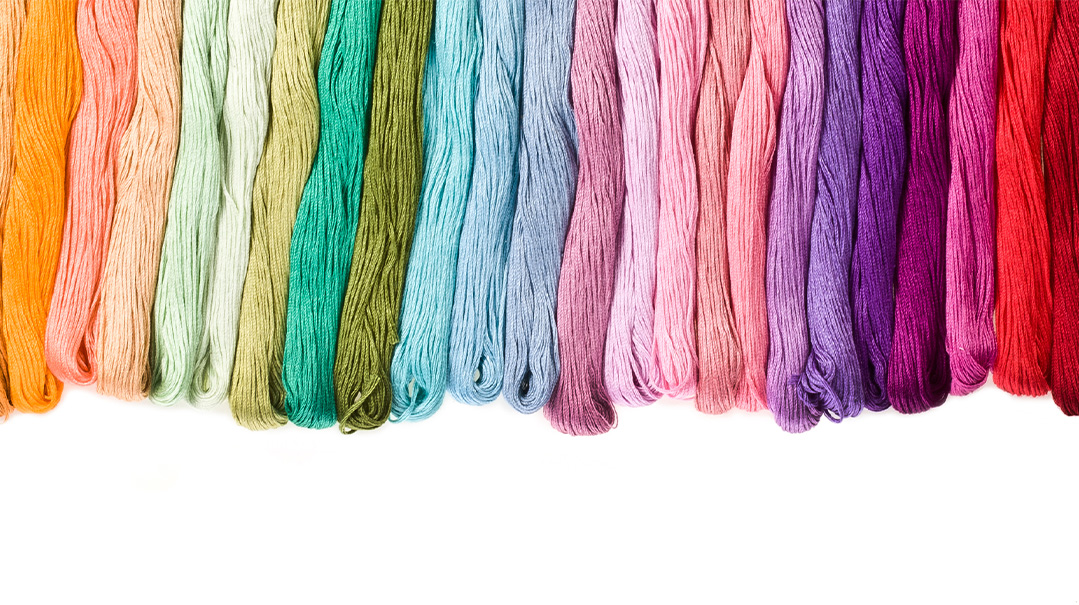
But our home was brimming with more than delicious food. My Nagymama’s Kezimunka — the pride of every Hungarian woman — filled every corner. Kezimunka is the exquisite embroidery you’ve probably seen on Hungarian tablecloths, wall hangings, traditional folk dress, pocketbooks, even shoes. It appears in the form of flowers and vines, and sometimes squares and circles.
Nagymama, my mother’s mother, lived in Budapest, and her exquisitely detailed creations — tablecloths, small cloths, and doilies in various shapes and sizes — were gifts of love. Nagymama was always busy with her Kezimunka, and when we’d visit, I liked to watch as she needlepointed with great concentration, making sure to fill in the flower just so. It was soothing to observe her sit there, engrossed, completely one with her needle and thread, sewing to a quiet rhythm of her own.
As an adult, I look back and wonder if her thoughts were turned to another time and place, before the war stole her husband. She’d become a young widow with a newborn baby — my mother — in a terrifying war-torn city. By the grace of G-d, and through the shlichus of Raoul Wallenburg, Nagymama and my mother procured Schutzpasses declaring them to be Swedish citizens. They miraculously survived the war in a safe house that flew the Swedish flag.
Kezimunka was Nagymama’s oasis, her happy place. She’d work on it, put it down, and come back again. I can still recall how she’d pull out a stitch that wasn’t perfect, while keeping the needle in her mouth, thumb crowned by a thimble. Not a stitch could go outside the perimeter of the flower’s shape! Her embroidery was so good that when you flipped the tablecloth to the other side, you couldn’t tell it was inside out. In fact, during our first several years as newlyweds, my husband would often lay the Shabbos tablecloth, my grandmother’s wedding gift to us, on the wrong side!
Create a free account to keep reading.