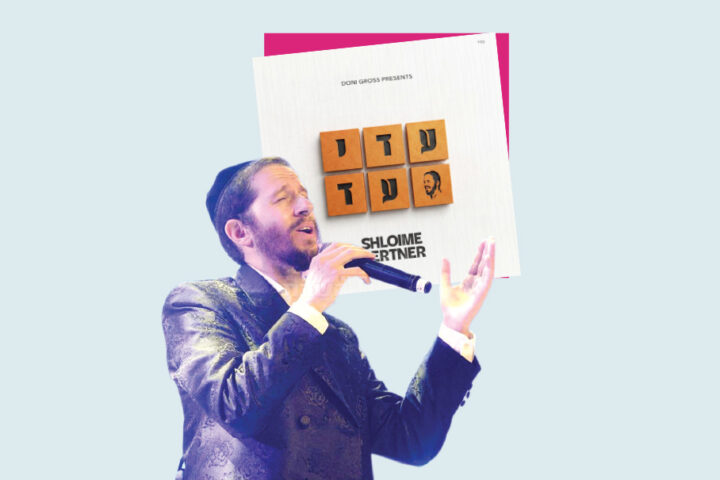
Jewish music is put to words of prayer and hope

People seem to either love or hate singing during davening. Minyanim are categorized by how many or how few niggunim they include. Keil Adon? Kedushah? One line of Kedushah or the whole thing? How about Hallel? Let’s not even start talking about that happy minyan that can’t seem to utter a word of davening without a tune or dance.
There is clearly no right or wrong here, but there is an opportunity in niggun that addresses one of the most vexing issues we all face in our religious lives: the challenge of kavanah — proper focus on and connection to our davening.
Tefillah is an incredible opportunity and a constant challenge. It’s an opportunity to approach Hashem at will, knowing that He is accessible to us and will hear our heartfelt words (Devarim 4:7). Yet it’s a challenge to maximize the opportunity; to recognize that we are in His presence, to focus on the words we say, and to truly entrust ourselves to Him.
This is an almost universal challenge for which there is no silver bullet, no simple adjustment we can make that will offer a permanent solution. Rather, it requires constant effort. Like the early chassidim, who would spend an hour preparing to daven, we inevitably daven better when we work on our tefillah in advance.
Create a free account to keep reading.