In cities like Buffalo, Montreal, and Moscow, snow is almost never an excuse to close schools or stores. How do these shivering cities do it?
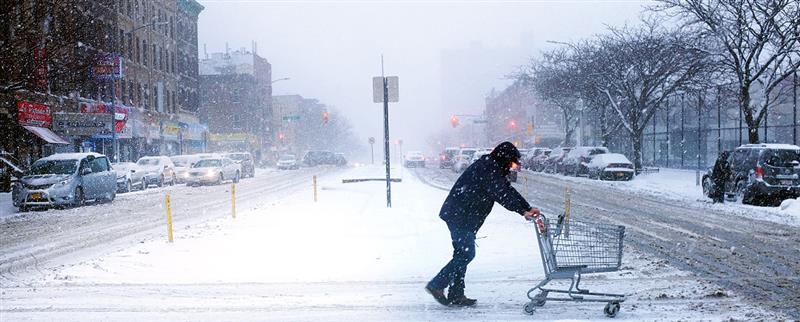
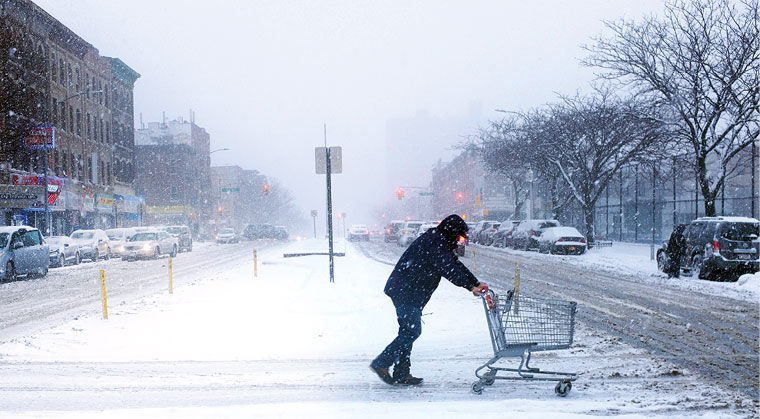
BE PREPARED When it comes to blizzard preparedness the big question is how your city lays the groundwork — literally. While the US spreads an average of 137 pounds of salt per person on its thoroughfares each year environmentalists are concerned about the effects of all this salt on rivers sea life and plants. Others have turned to more creative solutions including Wisconsin’s own dairy blend: mixing the salt with cheese brine
On a Tuesday afternoon in January 2014 light snow began to fall over Atlanta Georgia. Anticipating severe weather thousands of people in downtown Atlanta left work early and headed toward the highway hoping to make it home to the suburbs before things got worse. The public school system announced that students would be dismissed early. By late afternoon Interstate 285 was a gridlock of tractor-trailers abandoned cars and commuters grouped on the roadsides hoping to pass the time more quickly by socializing with their fellow stranded Southerners. For many a quick ten-mile drive had turned into a harrowing six-hour ordeal while others were stuck on the highway without food gas or heat for more than 20 hours. Thousands of children remained stranded in schools overnight and didn’t make it home until the next day after the National Guard intervened.
So how much snow fell over Atlanta during what became known as the Snow Jam of 2014?
Just two and a half measly inches.
If it snows once a decade in southern Georgia that’s considered a winter wonder. People have no chains or snow tires the municipality has no snow plows and so the city just shuts down while residents stay home and drink hot chocolate until the sun comes out and melts it all away.
Create a free account to keep reading.