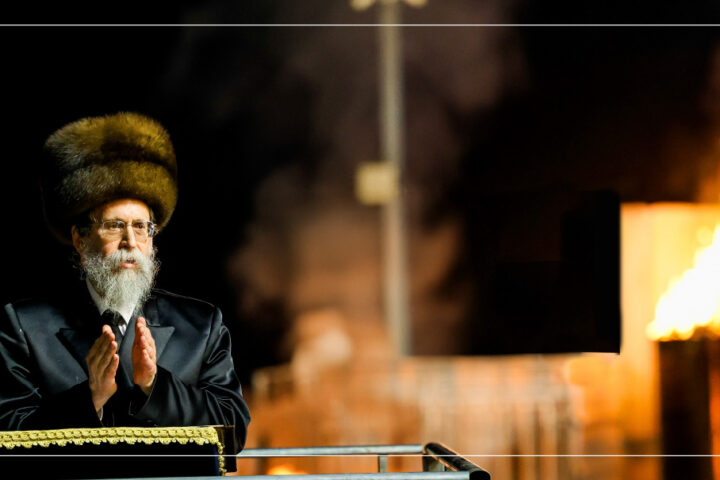
Copenhagen celebrates 400 years of Jewish history
We’re strolling through an upscale shopping district in the center of Copenhagen, Denmark.
The city is European to the hilt, yet something casual — Scandinavian — tells you this is Northern Europe, with light sweaters draped over shoulders more common than the classic elegant European scarf and brooch at the neck. The city’s modern streets with their wide bike lanes accommodate the swarms of straight-backed cyclists, but we’ve gotten off a city boat ride and are walking through a cobblestoned pedestrian mall past the Prada fountain and the Louis Vuitton department store.
Tourists and locals mingle outdoors, and we stop to buy cold water and sit on a bench. Opposite, under the arches of the stores, an artist sells his hand-painted pictures of Danish fishing cottages, while a dark-skinned woman in a headscarf sits on the ground near a tray filled with kroner.
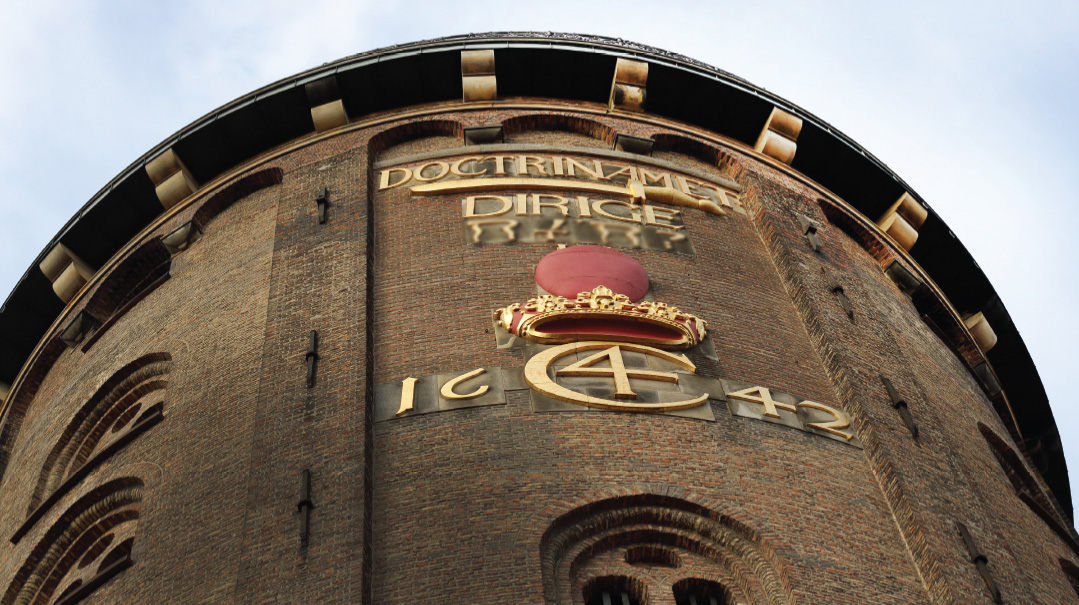
With all the buzz around us, it takes a few seconds to realize we’re right at the landmark we were seeking: Copenhagen’s famous Rundetårn, or Round Tower, is towering over us right on the street corner. At 34.8 meters high, it overlooks the narrow streets, and a steady trickle of tourists are paying 40 kroner to ascend the round ramps inside and tour the oldest observatory still functioning in Europe. The Rundetårn, overlooking the city’s rooftops, has been an active observatory since 1635, famous for hosting the discoveries of that century’s premier astronomer, Tycho Brahe.
Create a free account to keep reading.