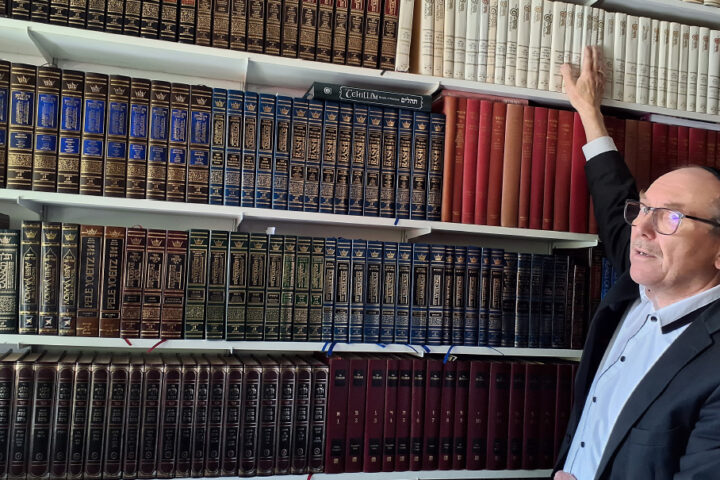
A decade after removing the barrister’s traditional wig and robes, Judge Anthony Morris reflects on his years on the bench
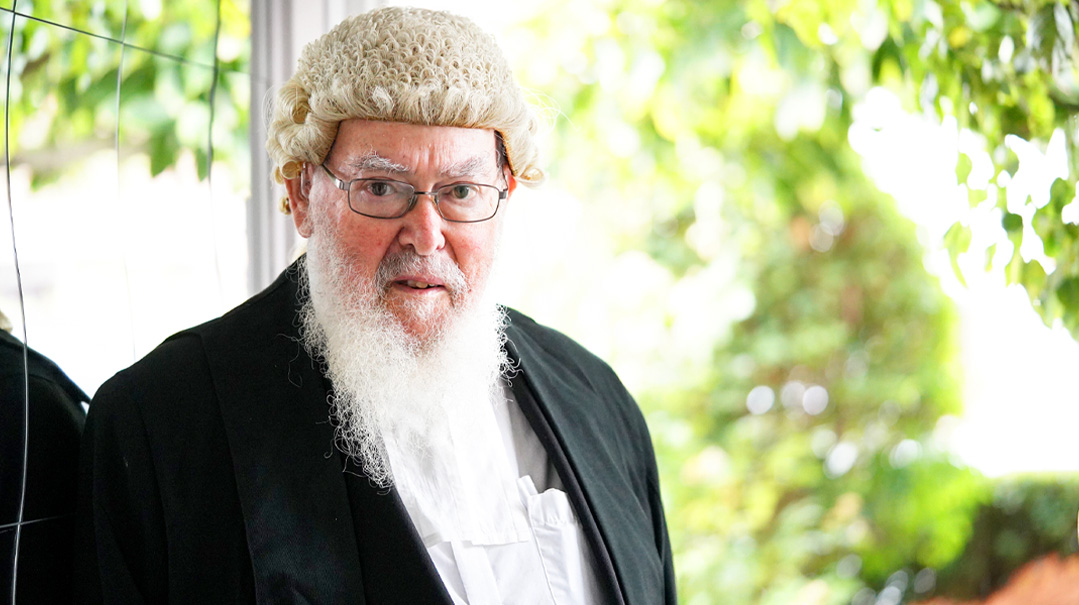
That’s because before entering a career in the judiciary, the rav with whom Reb Avraham Yaakov Morris consulted advised him to refrain from wearing any overtly Jewish symbols while seated on the judge’s bench.
It was never an issue for him during his 30 years in the judiciary, as he dealt primarily with civil disputes between people and companies, and legal issues within families — including divorce, maintenance, and custody of children. As a specialist judge able to deal with some of the more complicated disputes regarding children, while the more wide-reaching cases were heard in the main courtroom, many hearings were actually held in his private chamber (where someone might have noticed a framed photo of his shtreimel-clad son Reb Binyamin, a Boyaner chassid who is today menahel of the the Darchay Noam unit of London’s Menorah Grammar School).
But there was one incident in which his “secret” was exposed, and Judge Morris’s very much Jewish persona was present in the courtroom.
“In the 1980s, Britain was dealing with a severe economic crisis,” Judge Morris relates. “Part of that fallout was that many people were unable to meet their mortgage payments, which led to lawsuits by the mortgage companies to foreclose on the houses. There were times when I had to deal with 60 lawsuits like this per month — and there were two other judges in addition to me with a similar caseload. Many of these stories were heart-wrenching: families with children who were thrown out onto the street, or elderly people who lost all their savings. But legally, there wasn’t much I could do about it.
Create a free account to keep reading.