McCarthy's mauling bodes ill for the GOP
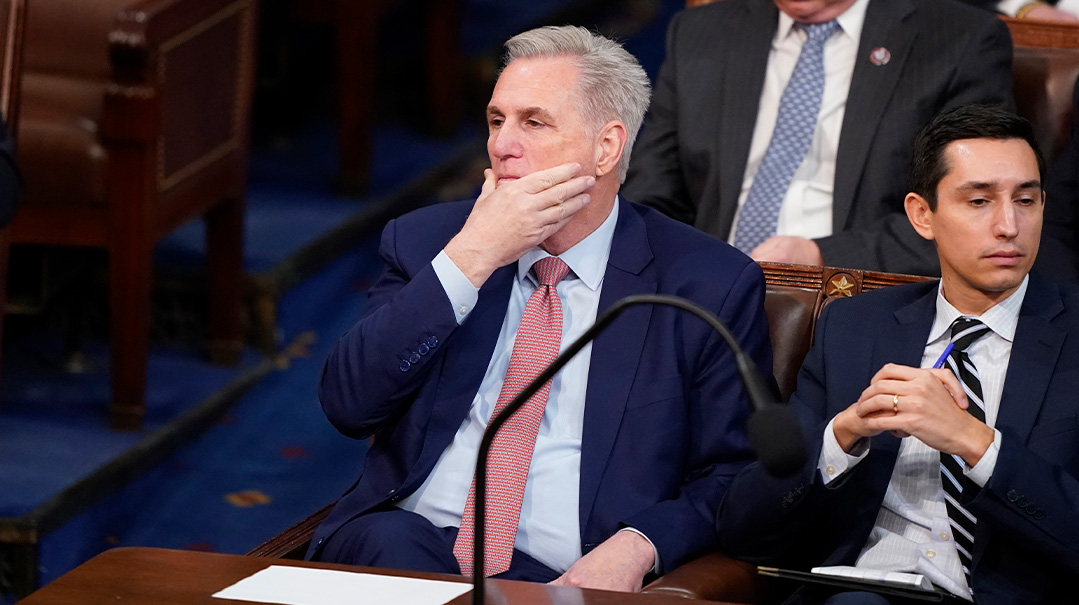
McCarthy was tarred and feathered by members of his own party caucus even after giving in to their demands, which included a rule change enabling a single representative to force a vote on the Speaker’s ouster. And in many ways, McCarthy’s ultimate victory was itself a defeat, whetting his enemies’ appetite and giving them a sense of power, even though they make up less than ten percent of the Republican conference — 20 out of 222 members.
The Republicans were already scarred by the recent election cycle, having won the slimmest of majorities despite ideal starting conditions: rising inflation, high crime rates, and a Democratic president whose popularity was on the wane. Despite this, the Republicans barely eked out a four-seat majority in what was meant to be a massive red wave year. The underperformance should have resulted in a sense of sobriety, with the different factions closing ranks to make maximum use of their narrow majority.
Instead, the events of the last week showed that the GOP is really two parties: a large center-right party, and a smaller faction that doesn’t necessarily feel beholden to the majority. We’ve heard a lot of talk about the Democratic “Squad,” which numbers a mere four or five lawmakers, but they end up toeing the party line in most cases.
On the Republican side, by contrast, it took massive intervention by former president Trump to persuade the rebels to climb down from the tree and support McCarthy, and even that only happened after all their demands had been met.
Create a free account to keep reading.