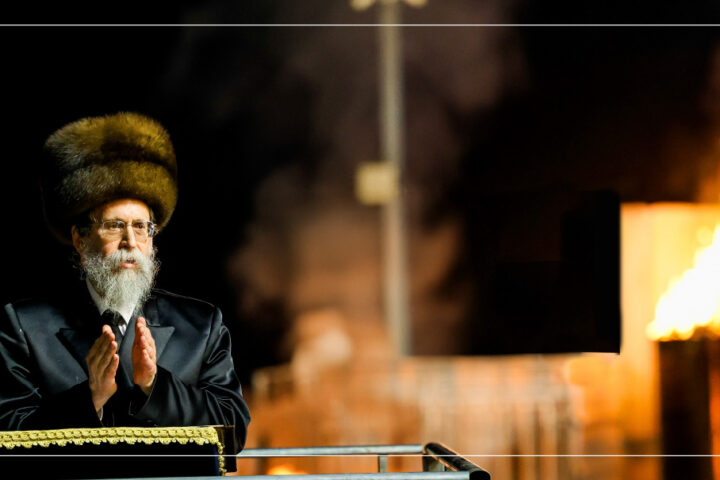
Through a winding path of pain, hope, courage, and trust with Rabbi Leo Dee, after the brutal murders of his wife, Lucy, and daughters Maia and Rina Hy”d
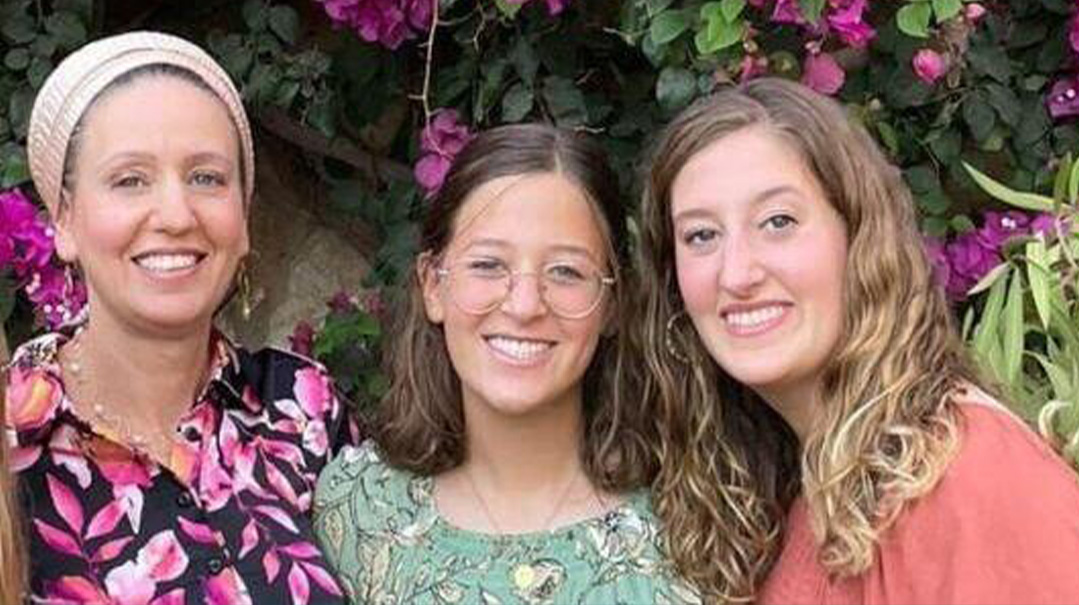
Courtesy of the Dee Family
MY wife and I first met Leo and Lucy Dee in the lobby of the Ramada Hotel in Jerusalem early in 2008, prior to their joining us in Hendon Shul, Raleigh Close, as our first ever assistant rabbinic couple later that year. We last met them just over a year ago in Jerusalem, at the small and intimate second wedding of a widower with whom we had all been close in Hendon. These two meetings — in Yerushalayim Ir Hakodesh, so appropriate given the Dees’ great love of and commitment to Israel — bookended our 15 or so years of warm mutual connection.
The common denominator between those meetings was the positive energy, joie de vivre, goodness, and commitment they exuded. We, like every right-thinking person in this world, were devastated and shocked at how an act of absolute evil, senseless, and cruel madness changed a beautiful family’s life around in a matter of seconds.
During their three years with us in Hendon, prior to moving on to becoming solo rabbi and rebbetzin of the Radlett United Synagogue, the Dees very much endeared themselves to our community and brought new energy, focus, and dynamism to many areas of kehillah life. Their engagement with younger families and children facilitated the further revitalization of the community, and Rabbi Dee himself gained valuable experience in what was his first actual rabbinical position after four years of studying for and earning semichah in Israel.
As Reb Leo writes in the introduction to his book, Transforming the World (Urim Publications, 2016), he was a relatively late entrant into the rabbinate. Having initially graduated from Cambridge with a degree in natural sciences and chemical engineering, he then moved, somewhat unexpectedly, into the world of strategy consulting and high finance. He and Lucy subsequently decided to take a year off to travel through the Third World and “saw glimpses of happiness on the faces of children in remote Indian villages — on the faces of remote tribes in Northern Laos — and on the faces of villagers in the Peruvian mountains, tending their flocks of alpacas.”
Create a free account to keep reading.