Why smart investors fall for the deceptive lure of easy money
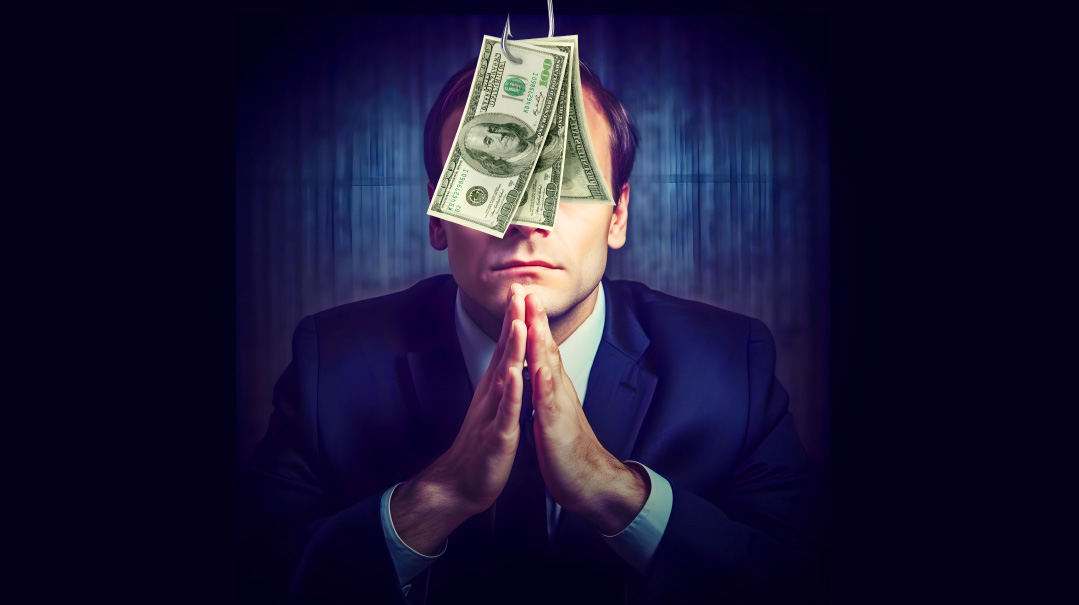
That’s how it begins — with a friendly tip, an invitation, a WhatsApp message or phone call from a savvy friend, neighbor, or relative. And often enough, the story ends with a pretty profit for all involved. In recent months, however, too many investors have seen their stories end with catastrophic loss, as hot deals were revealed to be nothing more than hot air.
What’s behind the string of losses plaguing our community? Is it a natural investment cycle or something more sinister? Are frum investors more vulnerable to bad deals? And what kind of due diligence can help minimize the dangers in a field that promises high rewards alongside devastating risks?
Like most areas in the business world, the real estate industry has its cycles — booms and recessions, periods of rapid development and times of slower growth. Those natural cycles, however, come along with a darker side: scams, fraudulent deals, and Ponzi schemes tend to increase in popularity and volume during financial booms, while they fall apart in times of distress. It’s easy to promote the lure of big bucks with minimal effort when the market is riding high — but when the pendulum swings the other way and the market experiences a downturn, investors who bought into sloppy deals or devious schemes get hit with overwhelming losses.
“When times are good, people are throwing money to the wind and it’s easy to attract money and keep the deals going,” says Eli Fried of Leatherback Investments. “But when money is scarce, there isn’t enough to grow and even to sustain the deals. On top of that, word spreads about deals that have gone awry, and skepticism follows, leading to a chain reaction of crumbling deals. And that is when things really begin to fall apart.”
Create a free account to keep reading.