Let’s explore some of the industries that used to be super important for people’s everyday lives but are now struggling to stay alive. The big question is if these industries will survive in the long run.
Let’s explore some of the industries that used to be super important for people’s everyday lives but are now struggling to stay alive. The big question is if these industries will survive in the long run.
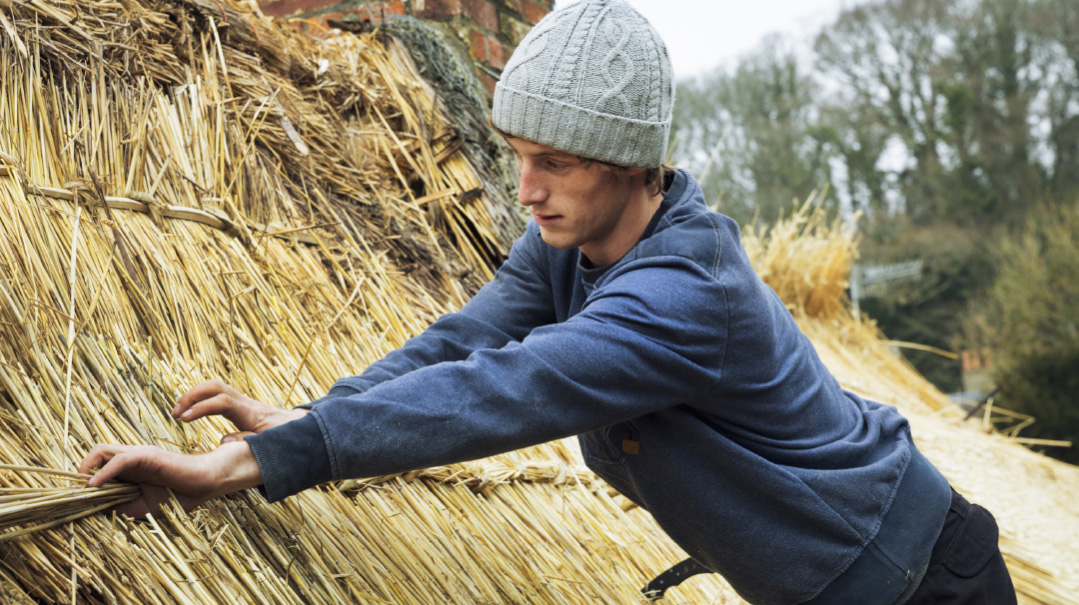
Look at all the houses around you, whether on your street or anywhere in the world. They all have one thing in common — a roof! Nowadays, roofs are usually made from concrete, slate, or metal. But before the 20th century, and especially during medieval times, most roofs were thatched. Thatched roofs are made from dried straw, reeds, or rush. You know those adorable little cottages that look like they’re from a fairy tale? They often have thatched roofs.
Thatched roofs weren’t just found in England; they were popular all over the world, even in Canada and the United States. In fact, in its heyday, thatch was the most popular choice for roofs worldwide. Wondering why? Thatched roofs are made from materials found locally and they’re relatively cheap. Wherever there’s a farm, there’s always plenty of extra wheat or straw to use. And what a smart way to put those leftovers to use!
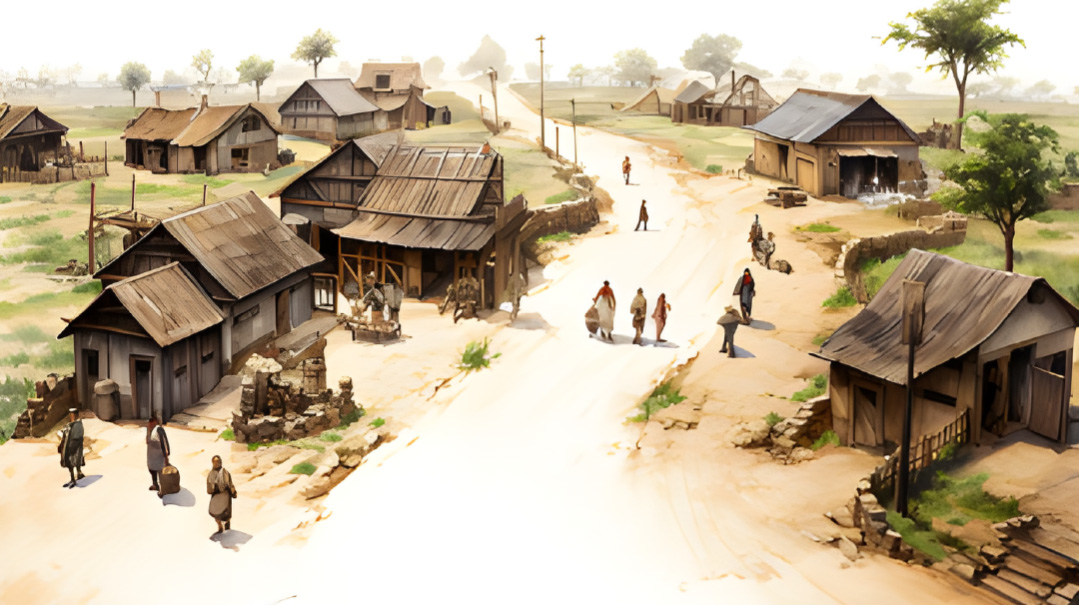
Back in the day, thatchers (skilled people who made thatched roofs) were everywhere. Even the smallest village had a thatcher or two. As you can imagine, putting a roof together from straw or reeds is no simple matter. It took about seven years for new thatchers to learn their skill and become “master thatchers.” The more experience they had, the better they became at it.
Create a free account to keep reading.