No words are necessary for Hashem to understand

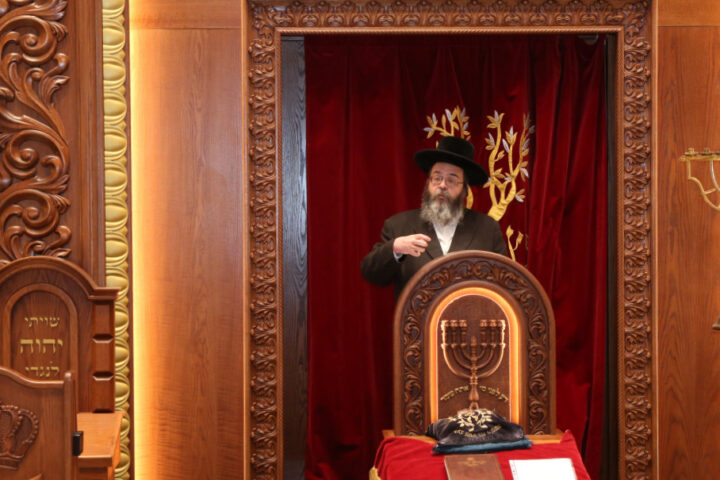
AS Shacharis concluded in Beit Knesset Feigenson in Nofei Aviv in Beit Shemesh, an elderly Ethiopian woman entered, stood in the back of the beis medrash and raised her hands toward the heavens. She then walked over to the bimah, placed a 100-shekel bill into the pushke, and headed out.
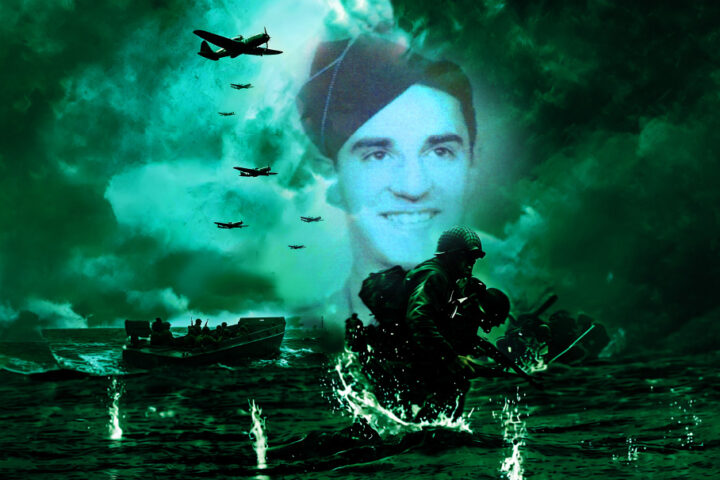
Reb Ari Zivotofsky was present at the time, and when he left the shul, he spotted the woman in the hallway. She took out her phone and showed him a picture of a young Ethiopian soldier. A few other men joined and squinted at the screen as she pointed to herself.
“Kasheh, kasheh,” (hard, hard), she said in broken Hebrew, trying to communicate that this young man was her son, who was risking his life in military action, and that this is hard for her. She then scrolled down and showed pictures of another two Ethiopian soldiers, continuing to point toward herself while saying, “kasheh, kasheh.”
She then scrolled down to a picture of a fourth son. “Lo Azah, Levanon,” she said, “Not Gaza, Lebanon.” And then she said, “pelephone, pelephone,” which the men understood meant this fourth son, who was fighting in the north, was able to talk to her on the phone while the others could not. And she continued pointing to her heart, as if to say, “this is all so hard for me.”
Create a free account to keep reading.