How a ragtag band of rebels are choking a crucial maritime route
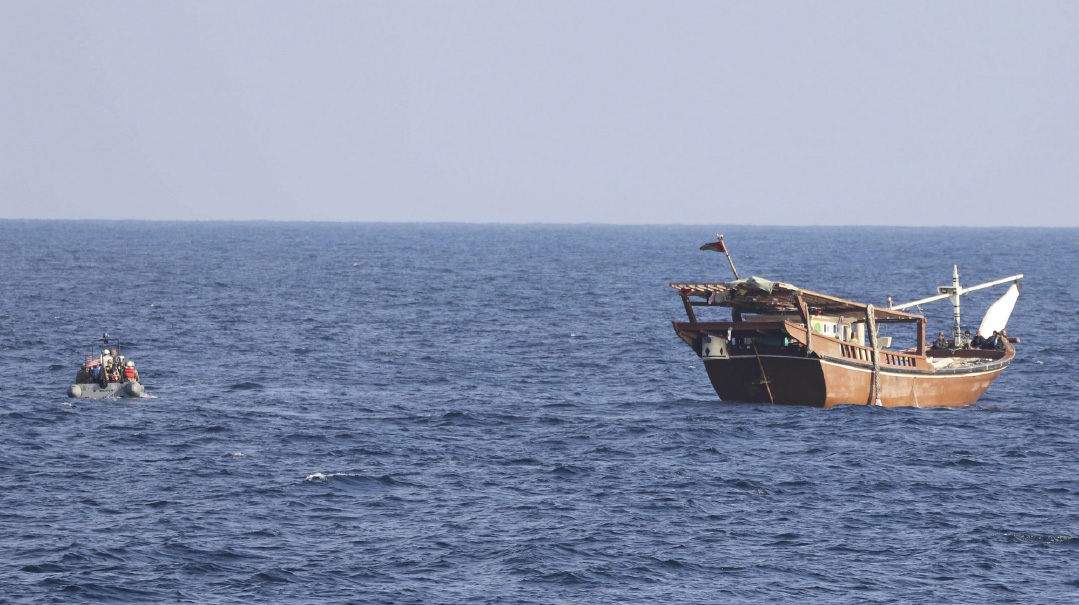
ON October 7, when Houthi terrorists in Yemen announced they were joining the fight against Israel, it drew little attention. Hamas was obviously the main threat, and hardly anyone knew who the Houthis even were. The few video clips circulating on the Internet portrayed them as a ragtag rebel group, far weaker than more dangerous powers like Hezbollah or Syria.
But the last two months have given the lie to those initial assessments. Exchanges of fire, including Houthi drone attacks on Eilat, Israeli retaliatory bombardment of Yemen, and escalating Houthi piracy in the Red Sea, have prompted major world powers to assemble a naval force to patrol the region. The coalition isn’t acting on behalf of Israel, but because the guerrillas have managed to strike at the heart of the free world: its pocketbook.
Attempting to choke off one of the world’s most crucial maritime passages, vital for East-West trade and for shipping oil, the Houthis have added another layer of complexity to the web of conflicts in the Middle East. This latest development has put the world’s leading economies, and particularly that of Israel, on the brink. And it shows all the hallmarks of being masterminded from Tehran.
The rise of the Houthis is a textbook example of the Iranian game plan in action, deploying an arm’s-length proxy to undermine Israel and the Unites States, at very low cost to Iran itself. So as the Yemeni tribesmen focus international attention on the Red Sea, the question is whether a naval force playing defense is enough to keep the shipping lanes open, or whether Israel will be forced to step up its own response.
Create a free account to keep reading.