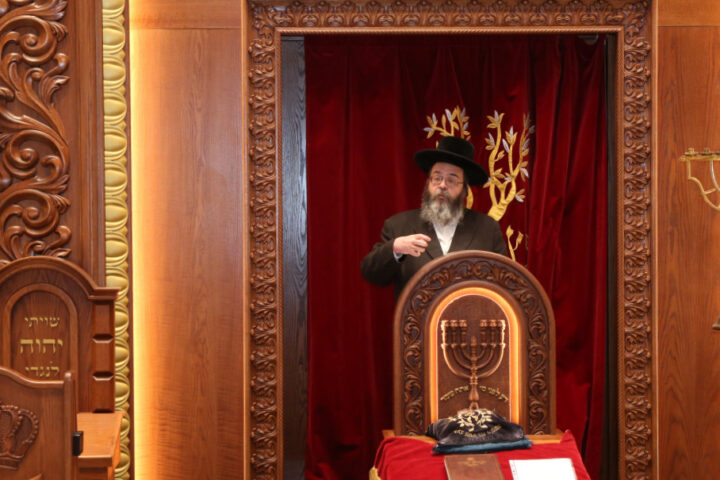
Rav Yehuda Alkalai (1798–1878) served as rabbi of Belgrade and was an early proponent of Jewish settlement in the Land of Israel
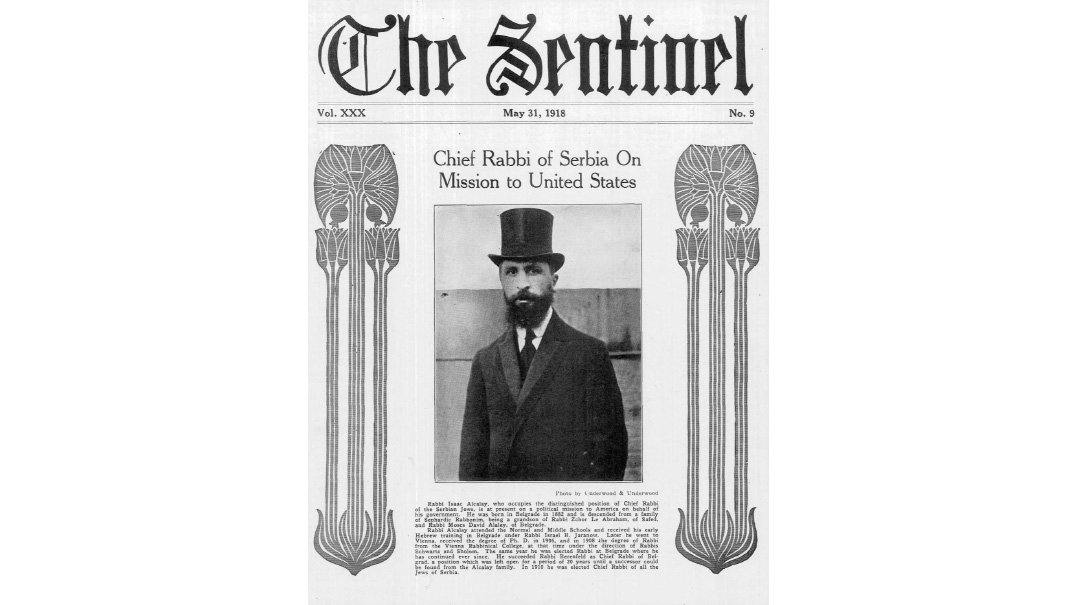
The Balkans, home to a relatively small Jewish community dating from Roman times, emerged as a center of the Sephardic diaspora following the expulsion from Spain in 1492. Although these Sephardic communities were eventually wiped out during the Nazi occupation of southern Europe in World War II, during the centuries they thrived they produced a number of prominent rabbanim, among them the Alkalai family of Serbia.
Rav Yehuda Alkalai (1798–1878) served as rabbi of Belgrade and was an early proponent of Jewish settlement in the Land of Israel decades prior to the Zionist movement. His great-nephew Rabbi Dr. Isaac (Yitzchak) Alkalai (1881–1978) enjoyed an illustrious career in the Yugoslavian rabbinate and was a respected leader of the broader Sephardic world.
Having spent his formative years in Sofia, Bulgaria, Rav Yitzchak Alkalai pursued a university degree in Vienna and also earned semichah from the city’s rabbinical seminary. In 1909, he was appointed chief rabbi of Belgrade, the capital of Serbia; shortly afterwards, he was appointed chief rabbi of the whole country.
With the collapse of the Austro-Hungarian and Ottoman empires in the wake of World War I, several Balkan countries, including Serbia, were united into the Kingdom of Yugoslavia. Rabbi Alkalai was viewed as a unifying figure by the diverse communities of the new kingdom. In 1923, King Alexander I appointed him chief rabbi of all of Yugoslavia.
Create a free account to keep reading.