Most of my children wanted to put a note in the Kosel, but my ten-year-old hung back
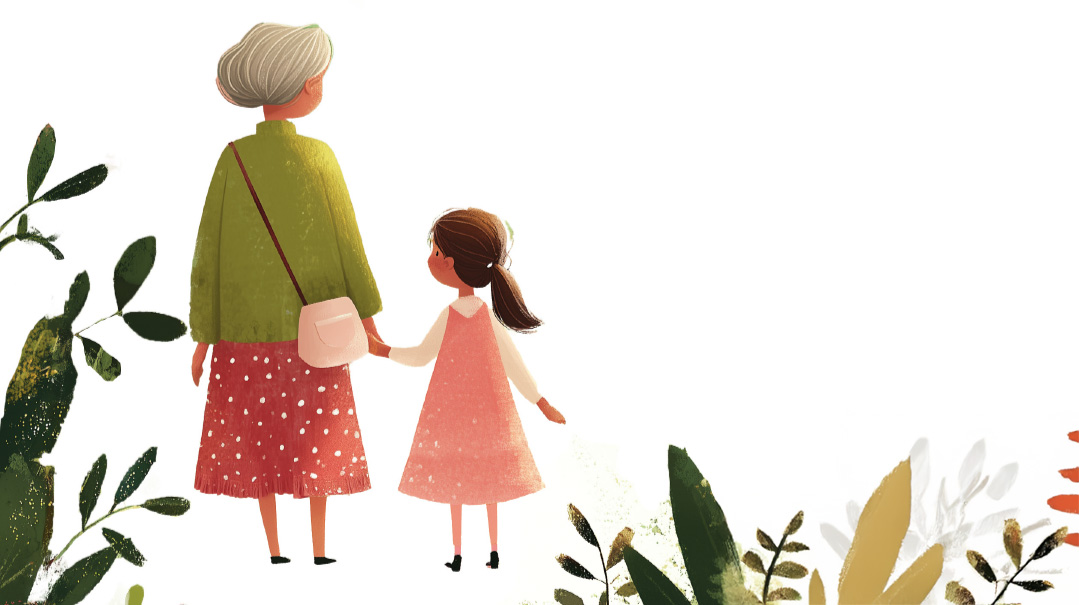
Two summers ago, my husband and I embarked on a repeat trip with our four children, all newbies to Yerushalayim (as least in passport-stamping capacity). The first day, we took an hour-long bus ride winding through Yerushalayim at a snail’s pace (a rite of passage) from the central bus station through the old city to the Kosel. After we davened Minchah and said Tehillim, most of my children wanted to put a note in the Kosel, but my ten-year-old hung back.
“I’m not sure how to put into words what I want to say,” she mused. She repeated this comment during almost every ensuing trip we made to the Kosel.
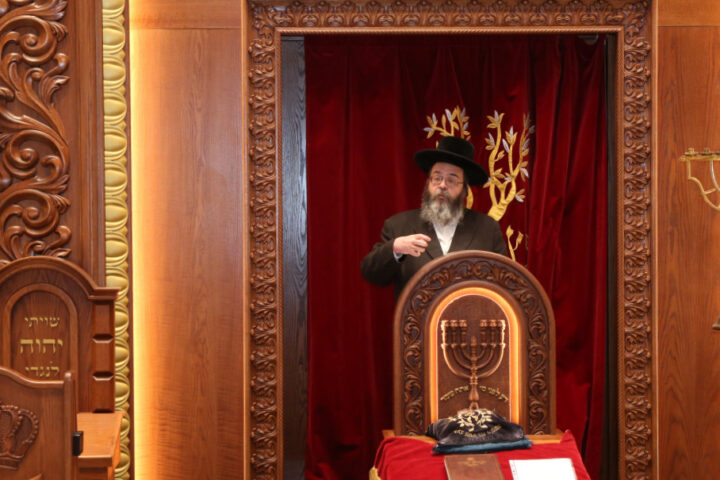
Meanwhile, I couldn’t wait to get my family into the tunnel tours to show them how close we could get to the Kodesh Hakodoshim. When the day of our reservation came, I made an incredible discovery: Sometime over the two decades since I’d stood there, the tunnel was made more accessible to the masses. A beautiful shul called Shaarei Teshuvah, just beyond the tunnel’s entrance, served as a shortcut to the tunnel to the Kodesh Hakodoshim. What this meant was that anyone could now daven at that memorable place, just beyond where the Aron, Keruvim, and Hashem’s Shechinah once rested.
The small space included a few rickety plastic chairs and an old bookcase filled with well-loved siddurim. It could hold about ten to 15 people at a time, and I was determined to be one of the few on the Shabbos preceding Tishah B’Av. We were staying in the Old City that weekend, and I felt drawn to the tunnel from the moment the opening bars of Lecha Dodi wafted into my ears in the Kosel’s main plaza. Around 9 a.m. on Shabbos I navigated the way, only to find a group of women being ushered out by guards via the Shaarei Teshuvah door. The area was sealed off for the coming hours. I turned back in disappointment.
Create a free account to keep reading.