“I would not exchange these seven weeks [learning in Chevron] for a lifetime of the wealthiest American millionaire”
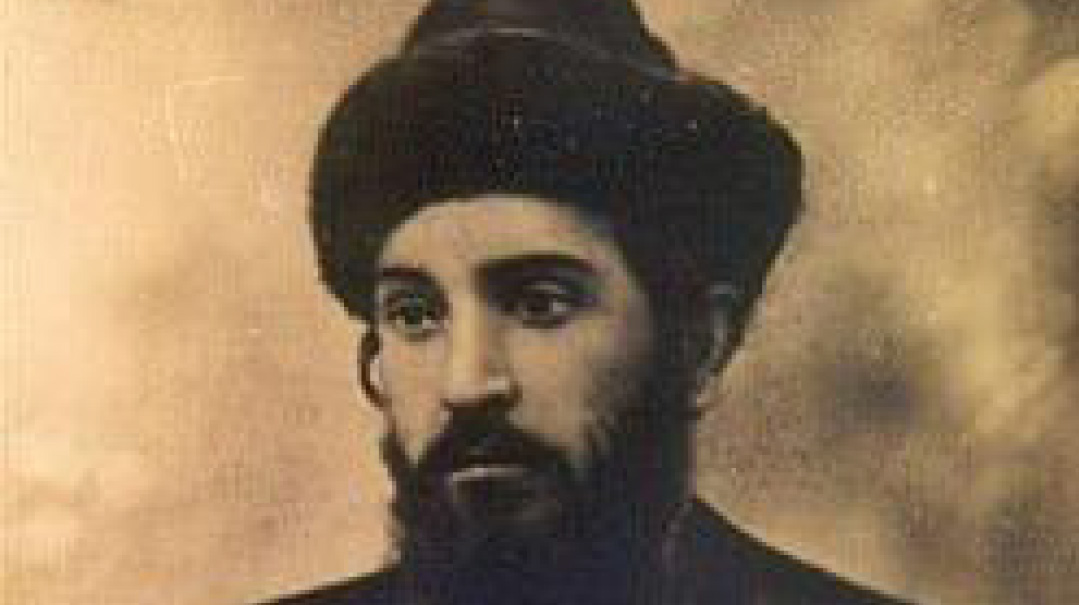
—Aharon Dovid (Dave) Shainberg
IN the annals of American Jewish history, certain stories shine with a particular poignancy that illuminates the depths of mesirus nefesh for Torah. The tale of Dave Shainberg, a young man from Memphis who journeyed to Chevron in 5688 (1928), is one such story — a narrative of spiritual yearning, sacrifice, and, ultimately, of a martyr whose life was cut tragically short.
Born in 1906 to Ukrainian Jewish immigrants Sam and Elizabeth Shainberg, Dave grew up in a family that epitomized the American dream. His father, who had arrived penniless in Memphis, built a thriving chain of dry goods stores. The Shainbergs were pillars of Baron Hirsch Synagogue, one of America’s oldest and largest Orthodox congregations. Like many immigrant families of the early 1900s, though, their Judaism was more cultural than deeply observant.
Young Dave’s path diverged dramatically from expectations. As a teenager, inspired by Rabbi Dr. Georges Bacarat of Baron Hirsch, he underwent a profound spiritual transformation. He wrote in his diary that he had found, “peace of mind and tranquility of soul.” This awakening led him to make difficult choices that baffled his family — refusing to work on Shabbos in his father’s store, and eventually dropping out of Wharton to devote himself to Torah study.
Dave’s journey from Memphis to Chevron was as much spiritual as physical. After graduating from Memphis Central High School in 5683 (1923), he enrolled in Wharton Business School at the University of Pennsylvania. He made close friends with other Jewish students and walked to shul on Shabbos. However, Dave returned to Memphis following his freshman year and was persuaded by Rabbi Bacarat not to return to Wharton.
Create a free account to keep reading.