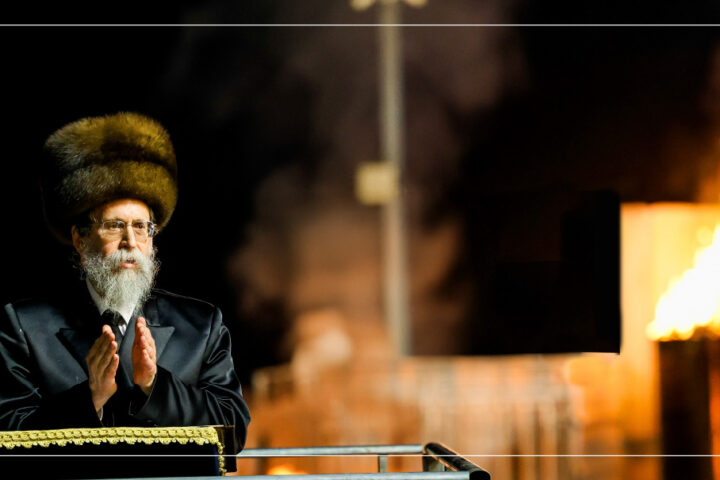
For more than seven decades, Rav Yoel (Yoelish) Teitelbaum, the Satmar Rav, built and rebuilt again and again
For more than seven decades, Rav Yoel (Yoelish) Teitelbaum (1887–1979), the Satmar Rav, served in various rabbinical leadership positions across three continents. As a rav, posek, rosh yeshivah, author, fatherly figure, leader, and polemicist, he was endowed with uncanny political savvy and motivated by a fiery energy and outspokenness, often taking iconoclastic positions on communal affairs.
Despite facing much personal tragedy throughout his long life and career, he built and rebuilt again and again, guiding his followers through some of the most challenging times in Jewish history, unfazed by setbacks and derision. His legacy and impact went far beyond the realm of his limited prewar community, or even his large postwar community, as his influence was felt in all corners of the Jewish world.
One fascinating aspect of his leadership was his longstanding relationship with Eretz Yisrael and its inhabitants. While his vocal, vociferous, and uncompromising opposition to Zionism and the State of Israel is well known and documented, his deep, personal connection to the land and its people stands in stark contrast to his ideological positions on the country’s political institutions. The Satmar Rav was the ultimate pragmatic leader, seeking the betterment of his followers in a very practical and down-to-earth fashion, and this included his activities on behalf of his followers in Eretz Yisrael.
With one prewar visit to Eretz Yisrael, an attempt to settle there permanently following the war, and four subsequent visits in the 1950s and ’60s amid great fanfare, he maintained a lifelong connection to the country’s affairs. Following the passing in 1932 of Rav Yosef Chaim Sonnenfeld, the legendary rav and founder of the Eidah Hachareidis, Rav Yoelish (then rabbi of Kroly, Romania) was considered a possible candidate as successor.
Create a free account to keep reading.