Allow me to quote a few lines from last year’s article that was never printed
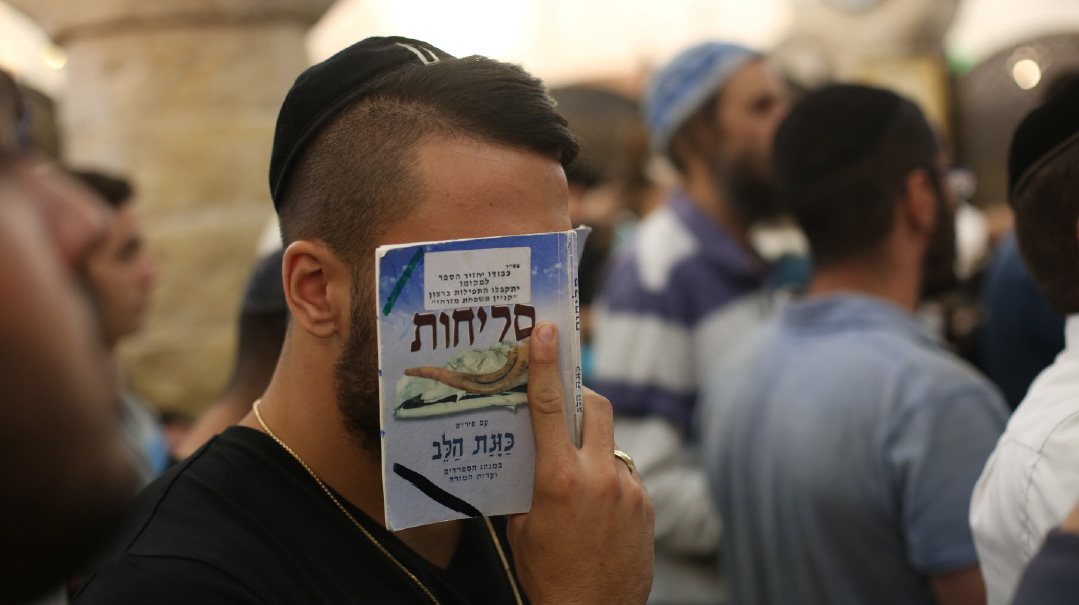
The one person that is most disappointing, though, is Itamar Ben Gvir, who has long advocated for public visits to the Har Habayis (and who was the subject of an article last year by this author). He has now called for the building of a shul on Har Habayis.
The issue of deferments for yeshivah students is still on the table, but the table has shifted from the halls of the Knesset to the halls of the High Court, served proudly by the attorney general herself, someone who, in the words of one of the heads of the chareidi parties, has an insatiable hatred of all things chareidi.
We have all heard and read stories of incredible chesed among Yidden, and also of previously avowed secularists who have come to respect, understand, and maybe even joined together with their chareidi brothers and sisters. However, these are far and few between and not much has really changed. Unfortunately and painfully, it’s déjà vu all over again.
In closing, I would like to once again reference last year’s article.
And so, while we can be assured that HaKadosh Baruch Hu is doing His part to help unite us, what should our role be in realizing that goal? I would suggest that as bleak as the situation may look to us, we have to continue to try to bring both sides closer to each other, even just one step. How can that be accomplished? By focusing our attention on the realization that everything can change k’heref ayin, in the blink of an eye. We are taught that every Yid has the potential to change direction and his or her way of thinking, even after a lifetime of being entrenched firmly on the other side.
One of the founders of the baalei teshuvah movement in this country, Rav Shlomo Freifeld ztz”l, the unforgettable Rosh Yeshivah of Sh’or Yoshuv, was once sitting in his succah with a group of close talmidim during the Yom Kippur War. He heard one of them make a disparaging remark about the soldiers, who, for the most part, didn’t keep any mitzvos.
He stood up and pounded the table and, in an emotional voice, said to them, “You should remember that we were all on the 49th level of tumah, in the very depth of impurity, when we left Mitzrayim. And a mere seven weeks later, we all stood at Har Sinai, ready and worthy to accept the Torah, k’ish echad b’lev echad. Be very careful how you speak about a Yid!”
If we can at least start our new year with that lesson, and begin to look at the Yidden on the other side of the fence with a more understanding and loving tone, then just maybe the Lapids, Liebermans, and Ben-Gvirs of the world will do the same for the rest of us as well.
My dear chaver Reb Shmuel Unger shared with me something that he heard from Rav Avrohom Shor shlita on Shabbos Mevarechim Chodesh Elul, just a few weeks ago. He offered a new insight into what the letters of the name of Elul represent to us. Most of us live our lives with the focus on ani l’atzmi v’lo l’acheirim, which means we only think about ourselves and our positions and not about others. Our avodah this Elul should be just the opposite. It should be ani l’acheirim v’lo l’atzmi, which means that our focus should be all about others and not about ourselves.
If we can start the new year with this new mindset, then just maybe the Melech Malchei Hamalachim will, in the blink of an eye, turn things completely around for Klal Yisrael, and 5785 will be the year that we have all dreamed about and longed for over these last 2,000 years. May it come speedily in our day.
(This article was written l’zecher nishmas Sara Chaya z”l bas Rav Chaim Aryeh Zev.)
(Originally featured in Mishpacha, Issue 1032)