It’s hard. Even the friendliest hotel is not home
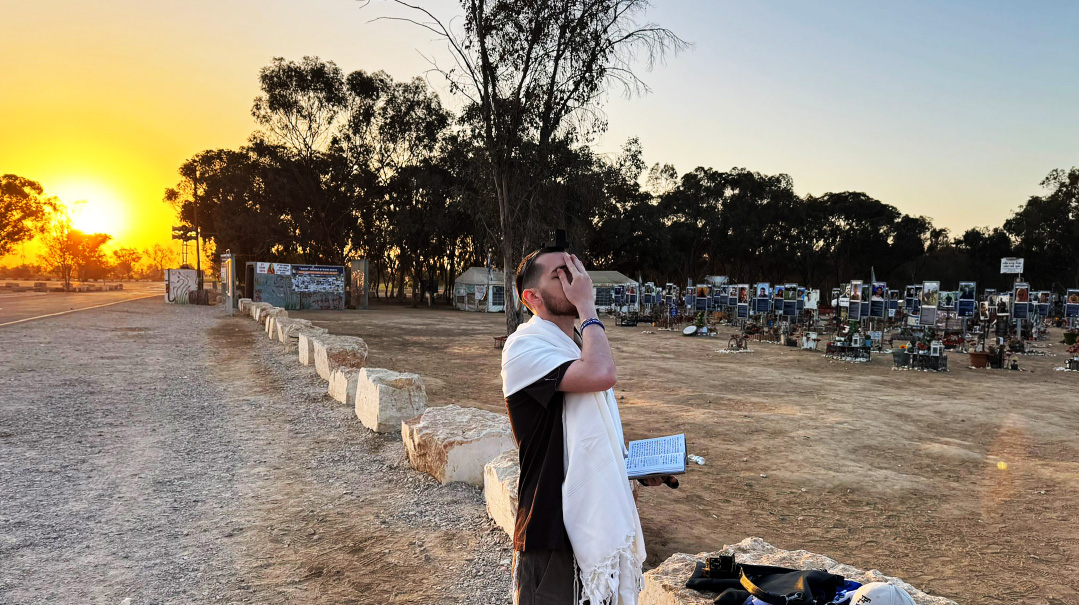
“At first, I cried a lot, mostly at night,” says Noa. “I think about my home every day. I miss my friends and my family,” she says. Few of Noa’s Kiryat Shmona friends, many of whom she has known since kindergarten, are at her hotel. Still, she feels thankful to have made new friends.
Like most of the evacuees, the N.’s have tried to turn their room into a home, adding plants and pictures. Still, it’s not the same.
“There’s no quiet here,” says Noa’s mother, Efrat, 41. Efrat, Noa, and the other evacuees hang out in the lobby, where there is a constant din. And even doing something as simple as making an omelet is impossible. “Not being able to cook our own food is hard,” says Efrat. On Thursdays, the hotel allows them to prepare Shabbos food in its kitchen, but there is no kitchen in their room. Instead, evacuees are given three meals daily.
Keeping their clothing clean is a project. As is the case in most hotels, the N.’s must make an appointment to use the shared washer and dryer. “That’s an improvement over the early weeks, when volunteers did the wash and it could take a week until it was brought back,” says Arye Dobuler, a Jerusalem social media manager who has been volunteering with evacuees since the start of the war.
Create a free account to keep reading.