“Unfortunately, even most mental health master’s programs do not teach about spousal abuse”

Rabbi Paysach Krohn wrote a beautiful article about the proper way to do bikur cholim. Yet what jumped out at me more than the points he made was the manner in which he expressed himself. His good middos were on display throughout the article, so much so that the reader might have been unaware that it was a mussar piece. Unlike some other articles with dos and don’ts that can come across as a bit demanding and entitled, his messages were delivered sweetly to maximize their soft landing.
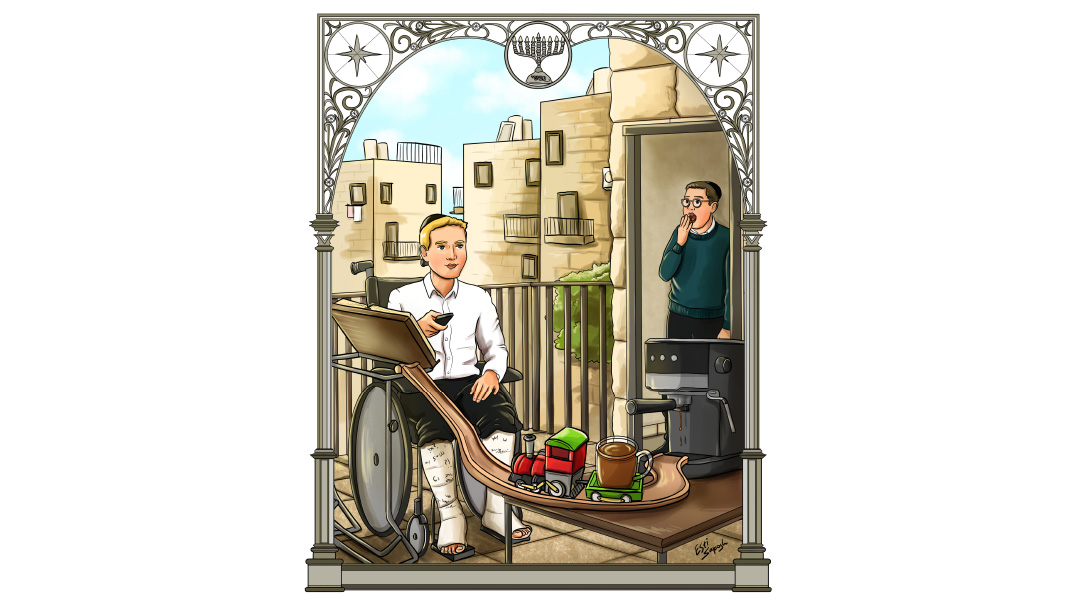
On another note, in the Picture This serial which I’m thoroughly enjoying, I was struck by the scene in which Estee consults Rebbetzin Weiss. The total abuse and dysfunction intake consists of asking 22-year-old Estee, “There is no abuse or dysfunction here, correct?”
To all the therapists, rebbetzins, and kallah teachers out there: I’m begging you to never conduct an intake this way. (Sorry, Rabbi Krohn — there must have been a better way to say that.) Although there is, in fact, no abuse or dysfunction here, Estee wouldn’t know if there was. Victims of abuse may have experienced psychological abuse and gaslighting — lying to the victim to make her doubt herself. It can take many sessions with a seasoned therapist to deprogram the victim. So if Estee was experiencing abuse, her answer would probably still have been no.
And while rebbetzins and kallah teachers are not mental health professionals, unfortunately, even most mental health master’s programs do not teach about spousal abuse, not even with elective classes; nor is it a continuing education requirement for mental health professionals in most states (Massachusetts and Washington excepted).
Create a free account to keep reading.