TheTriangle Shirtwaist Factory blaze claimed the lives of 146 workers, mostly young Jewish women
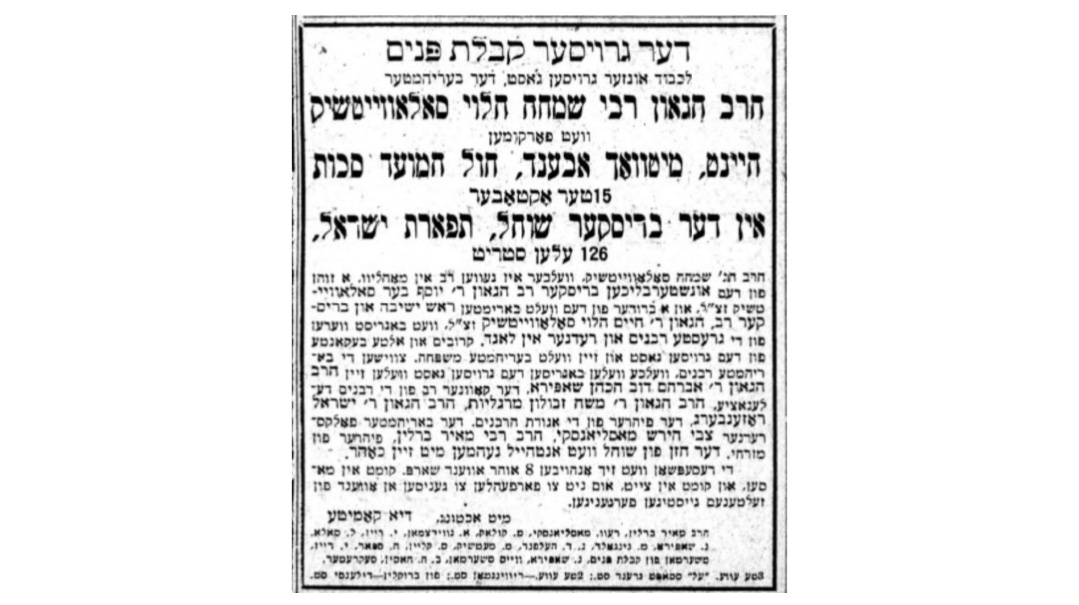
—Ronald Sanders, The Downtown Jews
ON Saturday, March 25, 1911, a devastating fire erupted at the Triangle Shirtwaist Factory, a garment workshop situated on the 8th through the 10th floors of the Asch Building near Washington Square in New York City. The blaze claimed the lives of 146 workers, mostly young Jewish women. The horrific tragedy marked a turning point in American labor history, and illustrates the struggles of Jewish immigrants in early 20th-century America, and their resilience.
At the turn of the 20th century, New York City was a beacon for millions of Jewish immigrants, primarily from Eastern Europe. Seeking refuge from poverty, pogroms, and political unrest, they arrived on American shores with the hope of a better life. Yet many found themselves living in overcrowded tenements, struggling to make ends meet in the fast-growing metropolis.
Jewish women would become an integral part of New York’s garment industry. As the city’s garment sector boomed, these women filled the factories, sewing shirts, blouses, and other clothing items under difficult and unsafe conditions. The Triangle Shirtwaist Factory, located on the upper floors of the Asch Building, was no different. It employed more than 600 workers, many of whom were young Jewish women in their teens or early twenties. These women, often recent immigrants, worked long hours for low wages, producing the popular shirtwaists that were in demand in the early 1900s.
Create a free account to keep reading.