Epidural during childbirth is a hot-button topic. Family First set out to find out why
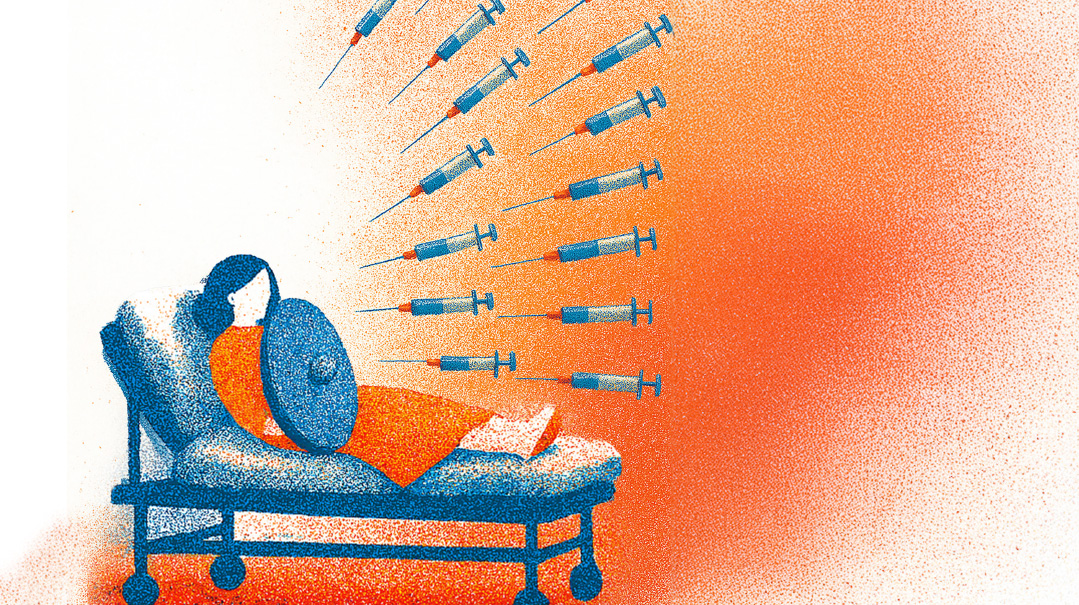
The notion of painless childbirth was a distant dream once, imagined through history by the bold and scientific — or even, as in ancient Egypt — the magic-inclined. But we’re past the era when scientists believed that the heart was the seat of the mind, and we understand how to dull pain receptors and temporarily numb bodies before surgeries. Everyone uses local anesthesia when having their wisdom tooth removed or an ingrown toenail treated. There’s enough pain in life, says one gastroenterologist who performs many a colonoscopy, that we don’t need to suffer needlessly.
Why, then, is there still such hesitance when it comes to using pain relief during childbirth?
Euphame MacCalzean was a Scottish woman who lived during the 1500s, a time when women prepared their wills when they discovered they were pregnant. A mother of at least five, she was accused of witchcraft by a local maid for various reasons. One of the significant charges was that she had used her skills to relieve women’s pain during childbirth. She was burned at the stake in 1591 for her crimes.
In the mid-19th century, Queen Victoria of England was cautioned against pain relief during the birth of her children. Doctors warned her that it would slow the progress of the labor and that it went against her religious beliefs. But by the time the queen had gone into labor with her eighth child, chloroform was all the rage in anesthetics. For 53 minutes, the queen inhaled chloroform from a handkerchief. She described the experience as “delightful beyond measure.”
Create a free account to keep reading.