For Rav Naeh, this forced sojourn in a foreign land could have been a footnote in a life already marked by extraordinary scholarship
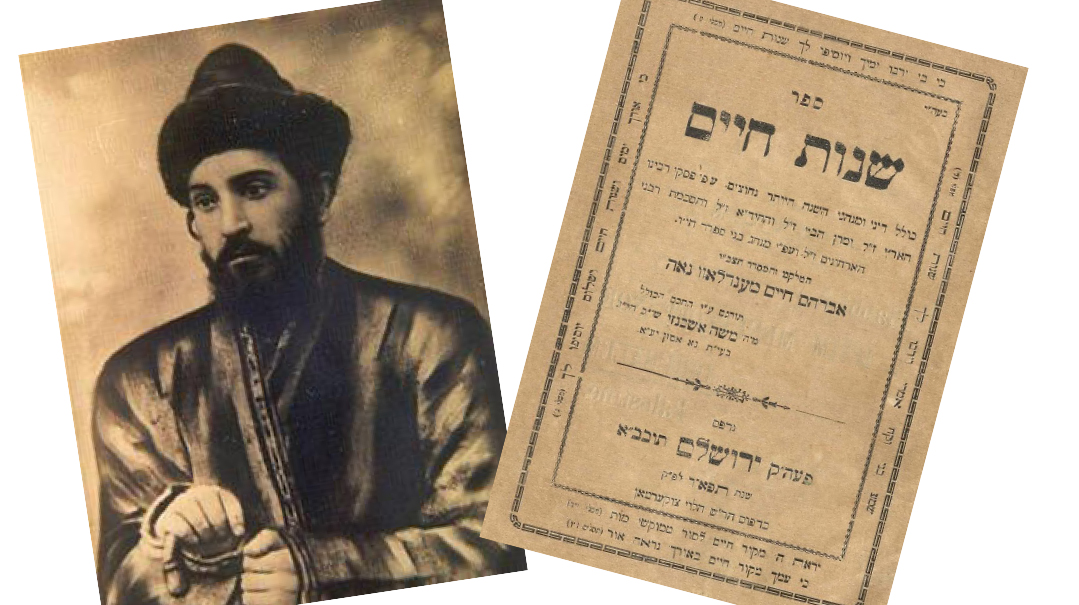
AS war clouds gathered over Europe in 1914, the Ottoman Empire, having cast its lot with Germany, began to view the Jewish population of Palestine with increasing suspicion. Authorities issued a harsh decree: all residents with foreign citizenship could either become Ottoman subjects — which for young men meant almost certain conscription into the sultan’s army — or face immediate expulsion from the empire.
For thousands of Jews, many of whom held Russian passports and were now deemed enemy aliens, there was no choice at all. Among them was a brilliant 24-year-old scholar of distinguished lineage from the holy city of Chevron, Rav Avraham Chaim Naeh. He joined a stream of refugees onto ships that carried them across the Mediterranean to the ancient cosmopolitan port of Alexandria, Egypt.
For Rav Naeh, this forced sojourn in a foreign land could have been a footnote in a life already marked by extraordinary scholarship. Instead, it became a defining chapter. The lessons he learned on the banks of the Nile from his fellow exiles from Palestine, as well as from the established Sephardic community of Alexandria, would set the stage for the monumental works and communal leadership that defined his legacy.
Rav Avraham Chaim was born in 1890 in the old yishuv of Chevron into a veritable rabbinic aristocracy. His father, Rav Menachem Mendel Naeh, was a distinguished Chabad chassid and served as rosh yeshivah of the Magen Avos Yeshivah in Chevron. This yeshivah had been founded by Rav Chaim Chizkiyahu Medini, the author of the encyclopedic Sdei Chemed, who served as the city’s chief rabbi. Rav Avraham Chaim’s mother, Mussia, was the daughter of Rav Berel Ashkenazi of Kalisk, who had served as a shadar (emissary) and chozer for the third Lubavitcher Rebbe, the Tzemach Tzedek.
Create a free account to keep reading.