There’s a world of difference between vibes and vows
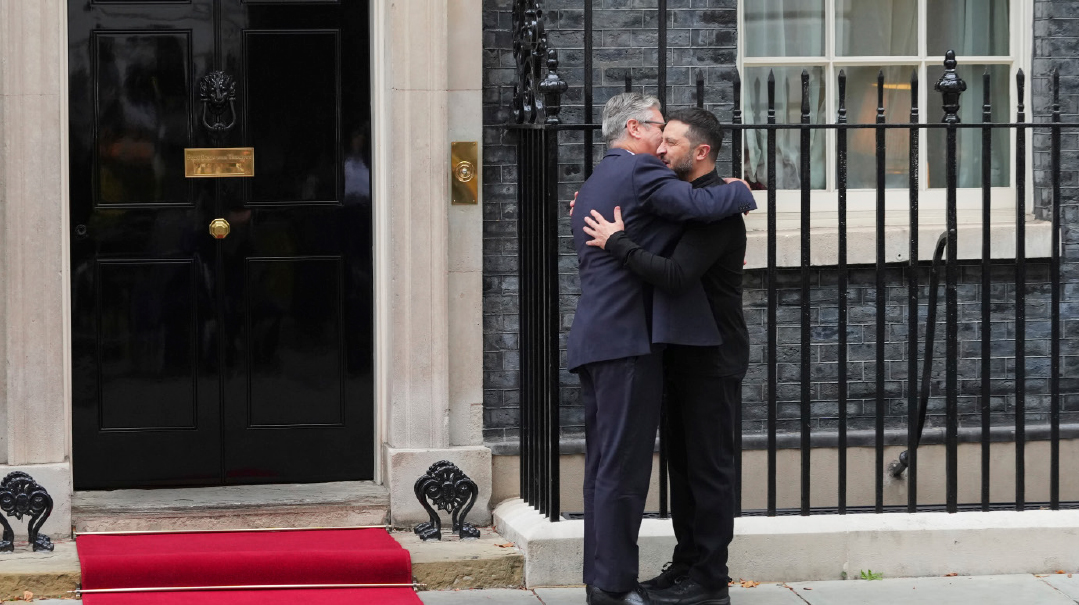
What he brings: Earlier this year, the UK and Ukraine signed a 100-year partnership, which might even be long enough to outlast Putin’s presidency. The UK also runs the multinational training pipeline that has put tens of thousands of Ukrainians through basic training and specialist courses. Funding is steady and designed to outlast any governmental instability. The UK is a practical engine inside any NATO-style guarantees package.
What he brings: Like France, Germany has locked in a ten-year security agreement with Ukraine, committing long-term military, financial, and industrial support. Germany is expanding the shield by transferring additional Patriot units under a joint US–German arrangement. Meanwhile, short-range layers are thickening too, with Skynex cannon batteries now in Ukrainian service to swat Russia’s Iranian-supplied Shahed “suicide” drones at close range. And it doesn’t stop at defense. Germany is considering the transfer of long-range cruise missiles that can strike deep into Russian territory. Berlin’s value is twofold: writing large checks on a schedule and delivering high-end protection.
What she brings: As a signatory to the ten-year security package, Italy plays a co-pilot role on Europe’s homegrown anti-missile system, which it built with France. To date, Italy has approved more than ten military aid packages to Ukraine.
What he brings: Finland brings front-line realism and long-horizon commitment. Helsinki also has a ten-year security agreement with Kyiv that locks in political, military, and reconstruction support. As NATO’s newest member that happens to share a thousand-mile border with Russia, Finland is hardening its frontier and the northern flank. Strategically, many European planners fear that if Ukraine falls or is forced into a punitive peace, the Kremlin’s pressure could shift north toward Finland, making Finnish deterrence and readiness integral to Europe’s security picture.
Create a free account to keep reading.