From the moment he assumed office in 1921,Rav Avraham Yitzchak HaKohein Kookleveraged every tool at his disposal to champion aliyah
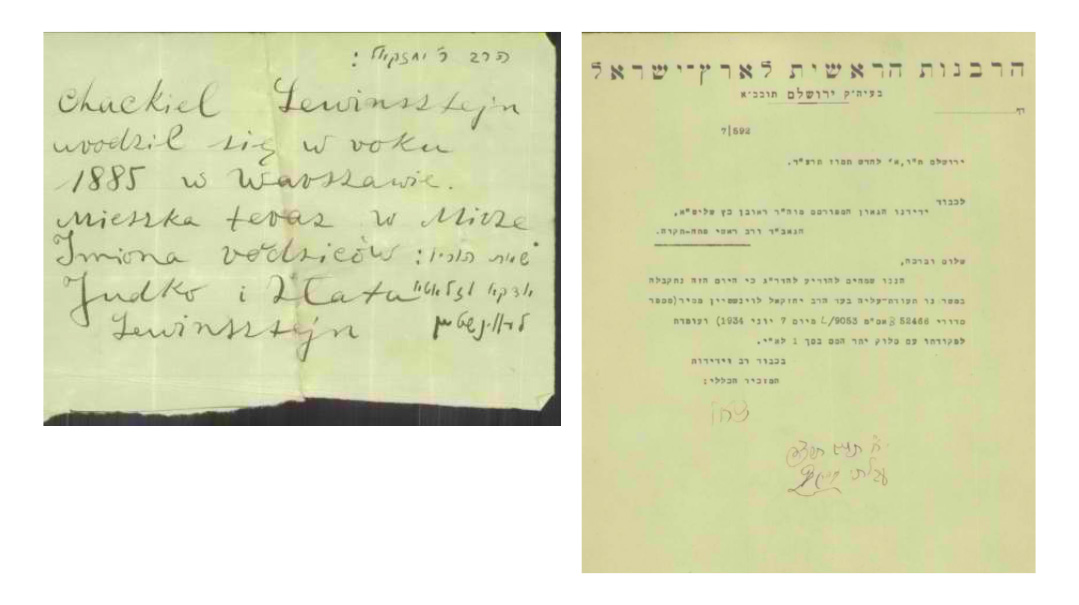
British authorities looked on sternly as the elderly rabbi pleaded on behalf of a boatload of “illegal” Jews who had slipped into Haifa harbor under cover of darkness. It was the early 1930s, and British Mandate officials were preparing to deport new arrivals to Palestine who exceeded the immigration quota. Rav Avraham Yitzchak HaKohein Kook — the first Ashkenazi chief rabbi of the Yishuv — requested an urgent audience with the High Commissioner.
The commissioner was perplexed. How could the chief rabbi ask him to bend British immigration law, when the tradition of dina d’malchusa dina teaches Jews to respect the law of the land? Rav Kook answered with a bold twist: “The law refers to new immigrants. But these people are not new immigrants — they are returning citizens.” Citing Tehillim and Chazal, he explained that anyone who “yearns for Tzion” is considered as if he was born there. These Jews, he insisted, weren’t foreign interlopers at all. They were children coming home.
The commissioner, flabbergasted, had no response. In the end, the deportations were halted, a testament to Rav Kook’s mix of passionate advocacy and deft diplomacy. It was just one example of the tireless efforts he would spearhead to keep the gates of the Holy Land open for the Jewish People.
Many years before he ascended to the post of chief rabbi, Rav Avraham Yitzchak HaKohein Kook’s life already embodied the pull of immigration to Eretz Yisrael. In 1904 he left a prestigious rabbinic post in Europe to settle in Jaffa, assuming spiritual leadership of the new moshavim and pioneering kibbutzim. Rav Kook saw building Eretz Yisrael as a holy mission. He urged his fellow Jews back in Europe to join him in settling the Land so that together they could fulfill the “forgotten mitzvos” that could only be observed in the Jewish People’s ancestral homeland.
Create a free account to keep reading.