When monarchs gave out hefty rewards with only a word or signature, a window into the untethered power of kings of the past
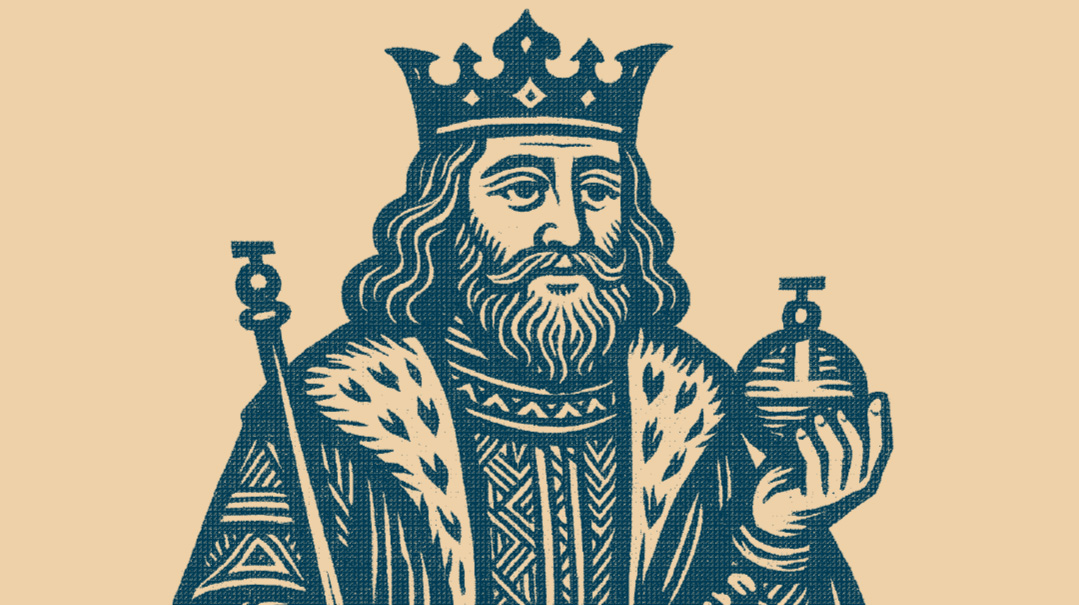
In 1253, Haakon presented a “white bear” as a gift to Henry III. Most assume it was a polar bear, though the term did not emerge until centuries later. It is likely that the bear originated from Greenland or Iceland which Haakon added to his kingdom during his expansionist rule.
The Norwegian king dedicated much of his reign to deepening Norway’s ties to western Europe. Central to these efforts was Henry, with whom he shared a close relationship. The first formal trade agreements made by either Norway or England were those sealed by the two kings. Haakon’s efforts to expand his empire also ran through Britain as he sought to maintain control of several islands surrounding England. The bear was likely part of an effort to cement Henry’s friendship and advance Norway’s ascent.
Henry took great interest in the unique gift and had the white bear kept at the Tower of London, where it was cared for by a Norwegian who accompanied it as part of the royal present. Henry allotted a daily stipend to supply the bear with food and other needs. Apparently, though, he was surprised to find out how high its expenses proved to be and turned over responsibility for its care to London’s sheriffs. A muzzle was fashioned for the Tower’s great white guest so that it could be walked around the grounds daily. In what became a source of great amusement to Londoners of the time, its keepers would regularly place a loose chain around the bear’s neck and then allow it to swim and feed on fish in the Thames River.
While Haakon’s white bear won itself a prominent place in history, it was not the only “wild” present other monarchs gifted Henry.
Create a free account to keep reading.