Nearly a year after the six families had moved in, our intensive efforts notwithstanding, there was still no eiruv
The fledgling frum community of Crystal, Nevada consisted of a close-knit group of six families who had moved to the southwestern United States to strengthen Jewish awareness and observance. Rabbi Cohen and Rabbi Klein were designated as the roshei kollel, Rabbi Levi became the head of their tiny Torah day school, and another three yungeleit moved in as full-time members of the kollel. Once the mikveh and shul were in place, the Crystal Torah community was officially up and running… with one exception. The eiruv.
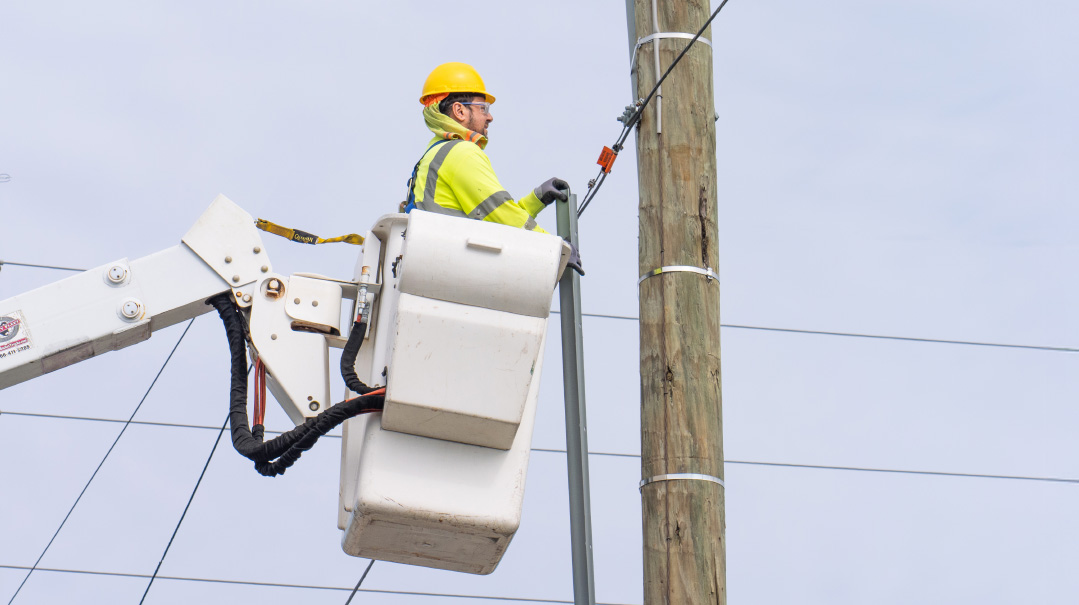
Three months before the first family moved in, I’d begun working with the rabbis on creating an eiruv to surround the city of Crystal. We had determined the area that should be included within the eiruv boundaries and found a donor who would underwrite the significant financial burden. But when we applied for permits from the city of Crystal’s utility company, we hit one barrier after the next. The hoops the utility company wanted us to jump could fill a book of (e.g., hiring a Navajo contracting company to oversee eiruv work, taking online certification courses in various safety procedures, and upward of 100 hours spent on useless paperwork).
Nearly a year after the six families had moved in, our intensive efforts notwithstanding, there was still no eiruv. The ladies and children were itching to be able to walk to shul on Shabbos morning and to visit each other on Shabbos afternoon. It was time for Eiruv Plan B.
All the kollel families had settled in a quiet development called Crystal Shores, just a short walk from the kollel/shul building. If the Crystal city eiruv would take another year or two or ten to erect, how about a small, relatively inexpensive eiruv around Crystal Shores? This temporary eiruv would provide some relief to the families while the larger eiruv battle ensued.
Create a free account to keep reading.