It seemed to be a train like any other, as the clanking of the wheels and the shrill of the whistle announced its arrival. The passenger who emerged also seemed like any other, as he stepped onto the platform. Yet with his arrival, the face of Belgium would be changed forever. The lives of hundreds would be enriched — including the life of a devoted gabbai, Reb Chaim Honig, who shares his memories of his beloved rebbe, Reb Moshe Yitzchak (Itzikel) Gevirtzman of Pshevorsk
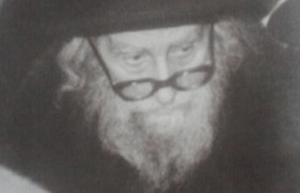
Reb Moshe Yitchok was born in theyear 1882 (5642) in the town of Gorlitz in Galicia to Reb Naftoli Meilich and Chana Breindel Gewirtzman. A few years later they moved to Shinev where he spent many hours with his father’s brother-in-law the Shinever Rav and where he absorbed the holiness and saw greatness firsthand. After World War I when he was a married man he moved to the town of Pshevorsk. It was there that the first small seeds of his rabistever were planted when he began making a tisch on Friday nights.
Soon though winds of war swept through Europe. Germanyand Russia made a pact to conquer Poland and split it in half. Reb Itzikel who had been living in Poland found himself under Russian jurisdiction. The Russians issued a law that everyone had to register; they would then be issued a Russian identity card. Reb Itzikel strongly advised the people against registering. Soon afterward the Russians rounded up all the people who hadn’t registered and herded them off to the frigid wasteland of Siberia. The people who had followed Reb Itzikel’s advice were obviously distraught. “For this we didn’t register?”
“Today is the 23rd day of Sivan” said Reb Itzikel calming down everyone. “On this day Achashveirosh sent the second letters which annulled the decree. Surely this is an auspicious day and we will merit to be saved.”
Just a little while later the Germans broke the pact and conquered the part of Poland that had been controlled by the Russians. The Yidden who had registered were deported. Those who had been sent toSiberia eventually survived the war.
Create a free account to keep reading.