The issue of Shabbos observance in Israeli cities is growing more tense as secular Israelis demand new rights
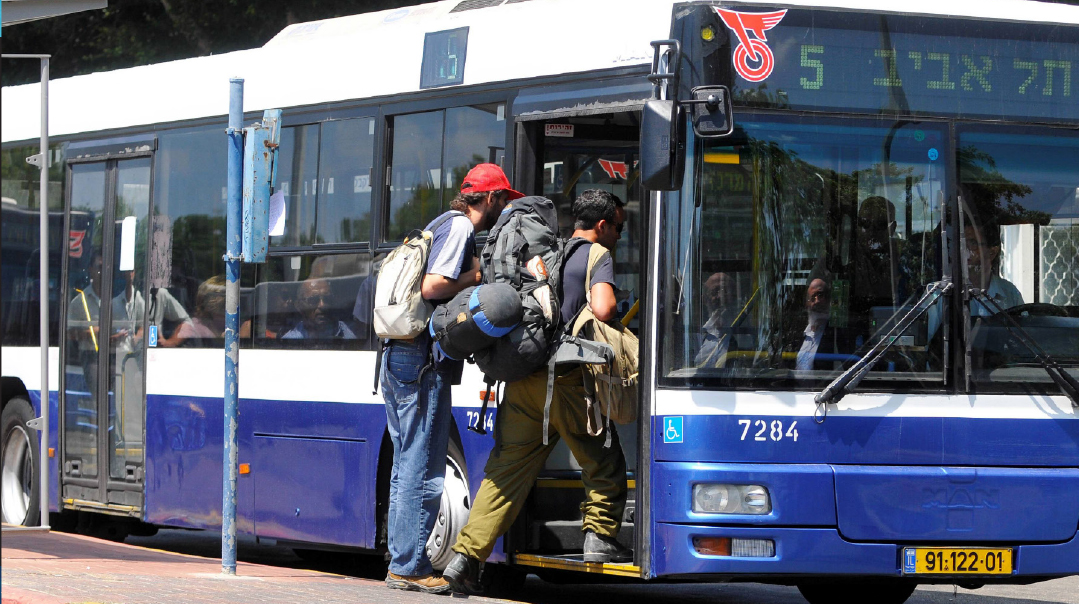
Ramat Gan, nestled between Tel Aviv to the west and Bnei Brak to the east, is known as a dati-leumi stronghold. An extension of the Tel Aviv sprawl, the municipality is home to the country’s busy diamond district.
But in early July, the city joined a number of other municipalities in Israel in an ongoing culture war: The Ramat Gan city council voted by 15–6 to allow public transportation on Shabbos. A new bus line will take residents to the Tel Aviv beach just four miles away.
Chareidi parties condemned the measure and a small group of the city’s residents immediately turned to Israel’s High Court (Bagatz) with a petition charging that operating public transportation on Shabbos is illegal. They asked for an interim order to ban public transportation on Shabbos until the case could be settled in the courts. In an unusual development, a member of the Moetzes Gedolei HaTorah, Rav Yitzchak Zilberstein, joined the petition, as did Rav Yaakov Ariel, who served as rav of Ramat Gan for many years.
In turn, the High Court ruled that the case must be heard by a district court, which later declined to issue a temporary injunction. A final ruling on the case is expected this week. Ramat Gan now joins Teveria, Petach Tikvah, Modiin, Herzliya, and Tel Aviv as cities operating public transportation on Shabbos.
Create a free account to keep reading.