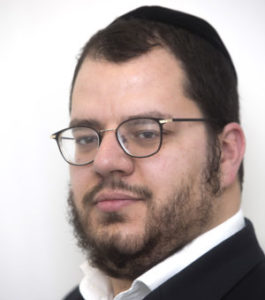
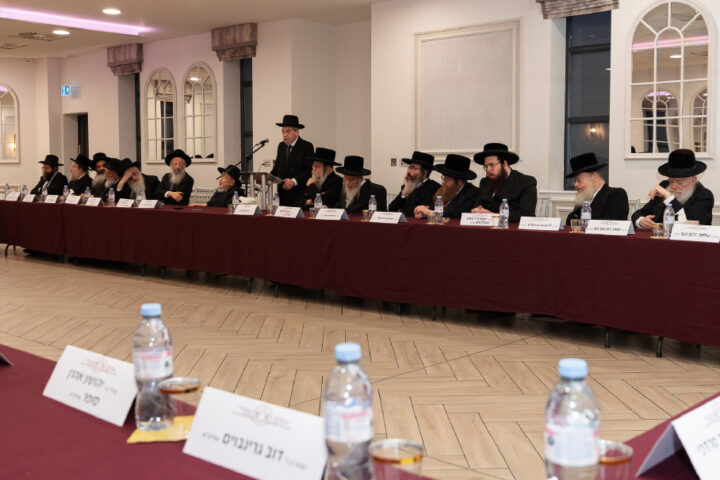
Spending close to a week in the center of Satmar’s spiritual empire provided no small number of surprises and shattered quite a few misconceptions. Sitting in the private chamber with the Rebbe Rav Zalman Leib, davening with both his minyan and in the shul on Rodney Street, participating in a Shabbos meal with the Rebbe, and a series of visits to the Satmar mosdos, highlighted the complexity of this little-understood Chassidus. Welcome to Satmar.
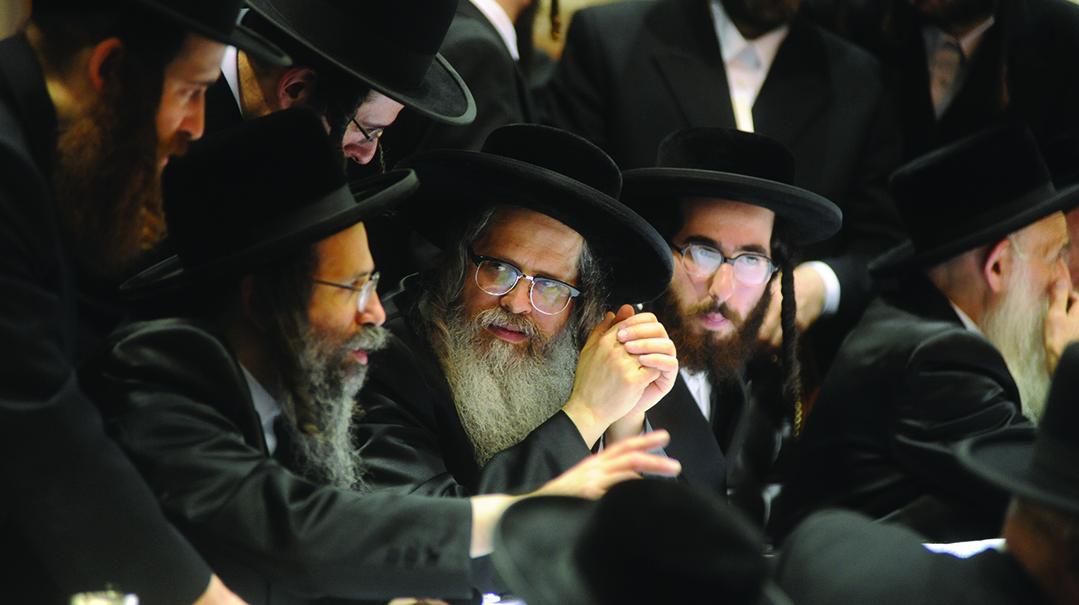
As the double doors on 550 Bedford Avenue close behind me, I am greeted warmly by Rebbe Yekusiel Yehuda (“Zalman Leib”) of Satmar. Across the table, the Rebbe sits serenely, dressed in a flowered beketshe embroidered with gold thread and a shtreimel, in honor of the week of sheva brachos of his eldest grandson.
The decor around him is basic. At the center of a long table stands a silver clock whose rhythmic ticking breaks the silence. An old brown chandelier hangs from the ceiling, casting a soft light over the interior of the room. Around the table are eight chairs and bookshelves laden with seforim; four doors lead to the various sections of the house. A Chassidus with the financial wherewithal of Satmar could allow much more luxury for its leaders, but obviously, the Rebbe prefers that the wealth stop at his threshold.
Adjoining the Rebbe’s chamber is a combination living room and waiting room, where minutes before my meeting in the Rebbe’s inner sanctum, I joined the ten chassidim who regularly daven Maariv in this outer room with the Rebbe, whose own prayers are silent and measured.
The five days that I spent as a guest in this great spiritual empire brought me no small number of surprises and shattered quite a few misconceptions. Sitting with the Rebbe, davening in the shul on Rodney Street, participating in one public Shabbos meal with the Rebbe and another with a leading figure in Satmar (who made sure to invite some quick-witted young men who are well-versed in the “shitah hakedoshah” of Rebbe Yoel Teitelbaum of Satmar ztz”l, so that they would solidly present Satmar’s worldview), and a series of visits to the Satmar mosdos, — exposed me to the complexity of this little-understood Chassidus. Satmar has its wealthy and its poor, it has its stubborn side and its soft side, and it has both passion and calm. It is at once rigidly anachronistic and surprisingly progressive. Welcome to the world of Satmar.
Create a free account to keep reading.