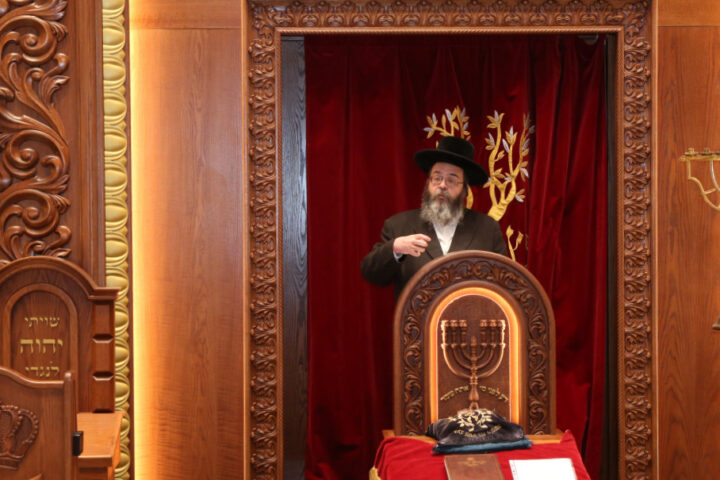
Now, in hindsight, I wonder about it. A shul that had a rebbetzin, and no official rav? But back then it seemed natural
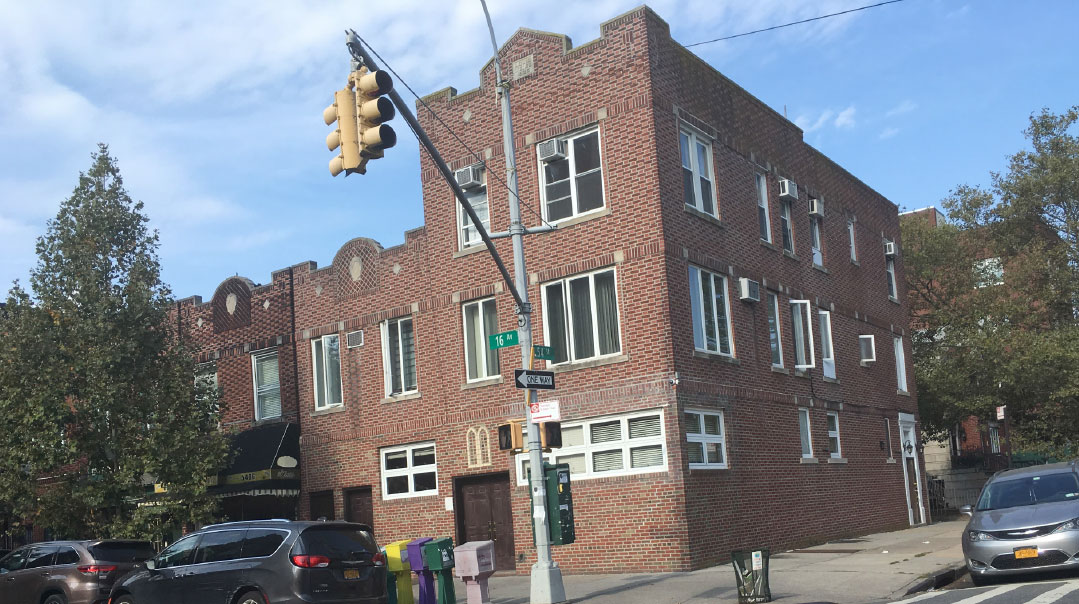
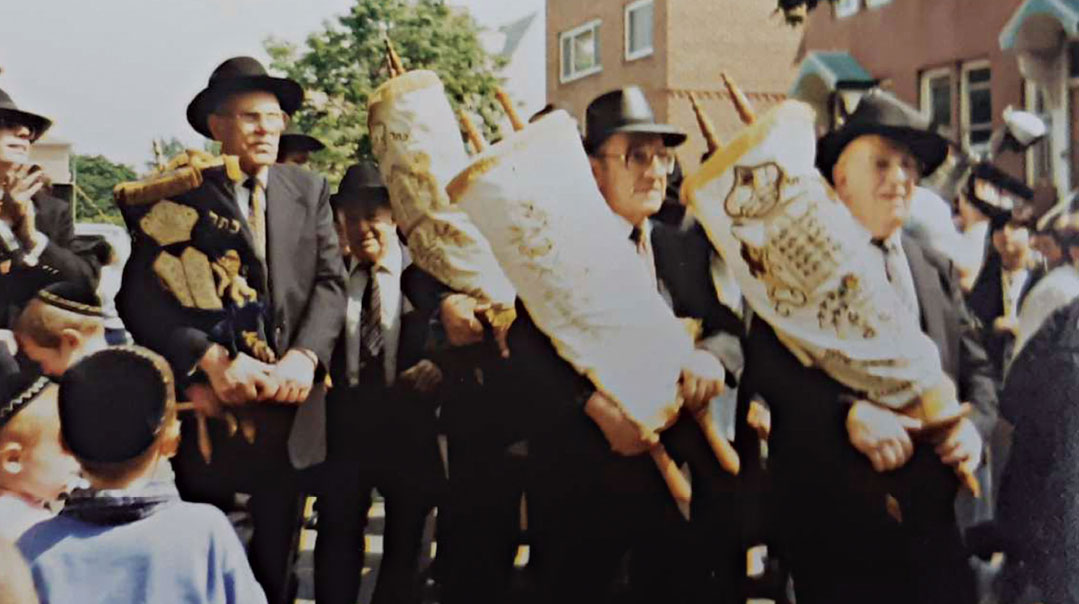
On top of a Boro Park shtibel, my great-grandmother welcomed endless circles of family, friends, and loyal mispallelim. Somehow this tiny woman, staunchly faithful to the heritage of Galicia’s chassidic courts, intuited the sensitivities and proclivities of a new generation, offering warmth and acceptance with wit, wise advice, and her famous kugel. What was her secret?
I didn’t live in Boro Park, but I always felt a little spark of ownership when I passed by a brick building on a corner of 16th Avenue. It was a shul known as the Bertcher shtibel, and it was our family’s shul. To be more exact, it was my great-grandmother, Rebbetzin Chaya Hinda Rokeach’s shul. She was the Bertcher Rebbetzin, the presence and the pillar holding up a shul that had lost its rav decades before.
Now, in hindsight, I wonder about it. A shul that had a rebbetzin, and no official rav? But back then it seemed natural. After her husband was felled by a heart attack, an able gabbai and her sons and sons-in-law, particularly my grandfather, helped run the shul. She supplied the kiddush every week — trays of sponge and marble cake, and a famous, uniquely American cornflakes kugel. The mispallelim loved the shul, and loved davening together. And so the minyan kept running.
What kind of presence must she have had, what kind of respect and loyalty must she have won, to keep that shul going for so many years?
Create a free account to keep reading.