After an economic crisis that hurt almost everyone, Argentine Jews have high expectations for the new government— while remembering incidents of the past
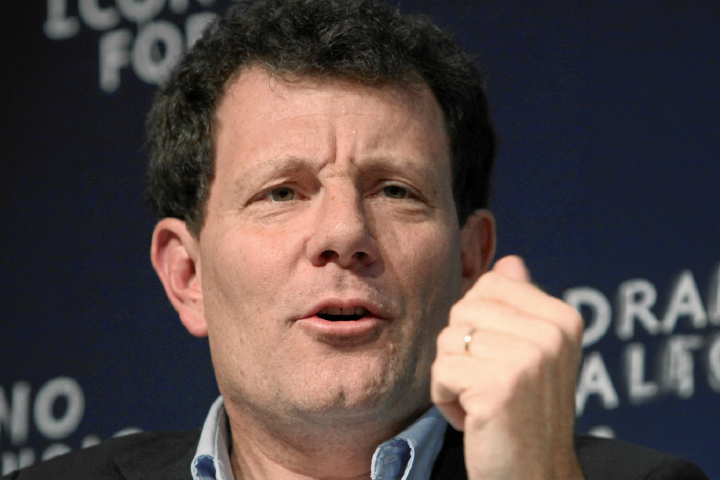
Kirchner, who was elected vice president, teamed with longtime ally Alberto Fernández, who was elected president, defeating incumbent Mauricio Macri by eight percentage points.
“Fernández was the one who was elected, and we hope he will allow the justice system to remain independent,” said Rabbi Ariel Eichbaum, president of AMIA.
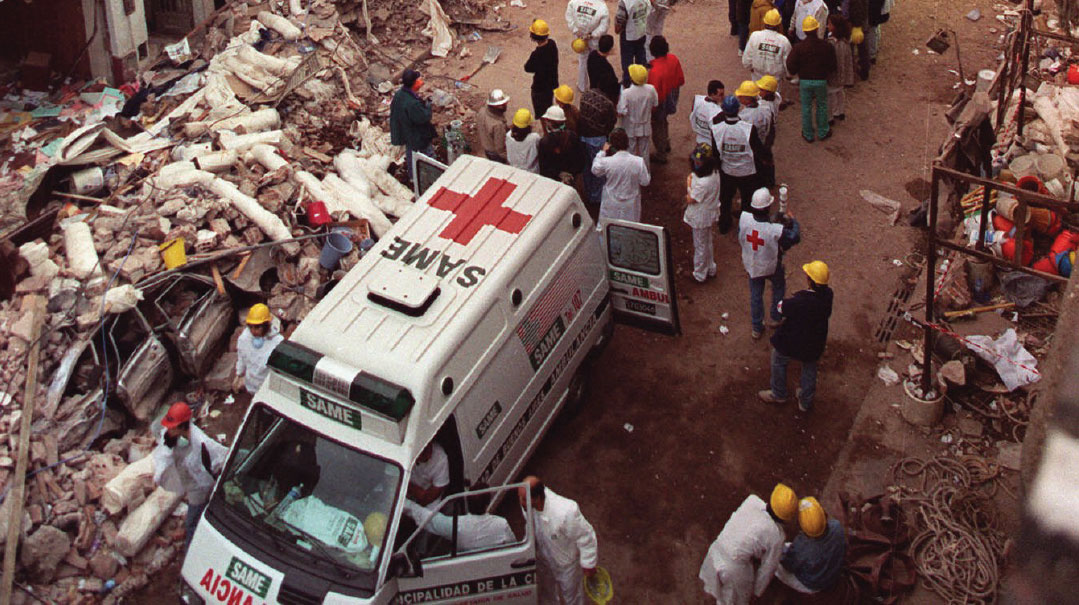
Eichbaum, who congratulated the victors, said Argentineans are now waiting to find out what role Fernández de Kirchner will play in the new government. Because Cristina, as she is known, is a figure who generates both love and hate. She ruled the country as president with two consecutive mandates between 2007 and 2015 but left office embroiled in scandal and was accused of shielding Iran from prosecution for an AMIA bombing that left 85 dead.
Macri’s government turned out to be catastrophic in social and economic terms, with an annual inflation rate of over 50 percent and 3.7 million people under the poverty line. At the same time, under his rule Argentina adopted a more pro-Israel stance. While Kirchner signed a “memorandum of understanding” with Iran during her presidency, Macri’s government received an Israeli prime minister, Binyamin Netanyahu, for the first time, in 2017. The country also designated Hezbollah, which operates throughout South America, as a terrorist group. “We saw concrete improvements with the outgoing government,” Eichbaum said. “Argentina established relations with the world’s major democracies, we had an excellent relationship with Israel, and we succeeded in declaring Hezbollah a terrorist group, something that only seven nations have done.”
Create a free account to keep reading.