A short course for a non-professional can’t provide the necessary skills for diagnosis
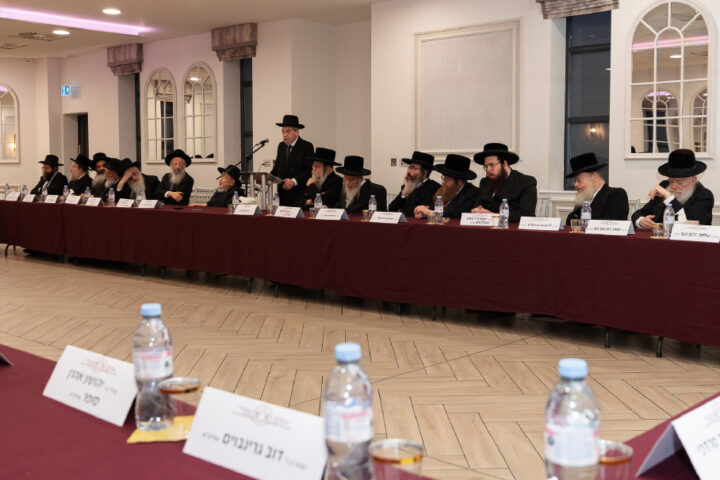
During a recent trip to Europe, I had the zechus of speaking with the rabbanim of a large yeshivah gedolah. The menahel, Rav Schvartzbaum, was a dynamic personality and an out-of-the-box thinker who was dedicated to helping his bochurim grow in Torah and yiras Shamayim. The fact that he’d scheduled a mental health seminar for us further made it clear that he wanted his talmidim to develop into emotionally-healthy young men.
While I was officially brought in to lecture about diagnoses and treatments of mental illness, the talk quickly became a free-range question and answer session about this talmid’s anxiety issue and that bochur’s focusing problem. But we created a lively, open atmosphere for questions and answers and enjoyed our afternoon together.
“This was great, Dr. Freedman. And this is why we have a mashgiach who took a course in CBT. Baruch Hashem, with him on board, we can address all of our problems and get high-quality care for our bochurim,” Rav Schvartzbaum told me before I left.
Rav Schvartzbaum was ahead of the game regarding mental health concerns. But he also needed to know that a yeshivah his size should have a trained professional on board. Today, experts believe one out of three bochurim will eventually develop a challenge with either a mental health or substance abuse issue at some point in his life.
Create a free account to keep reading.