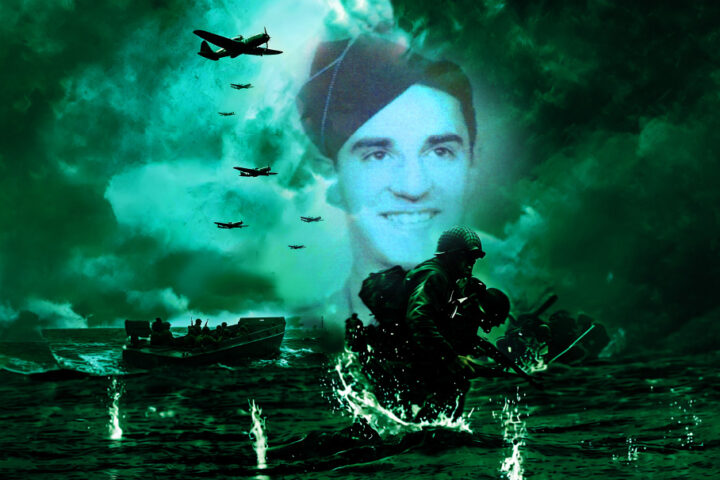
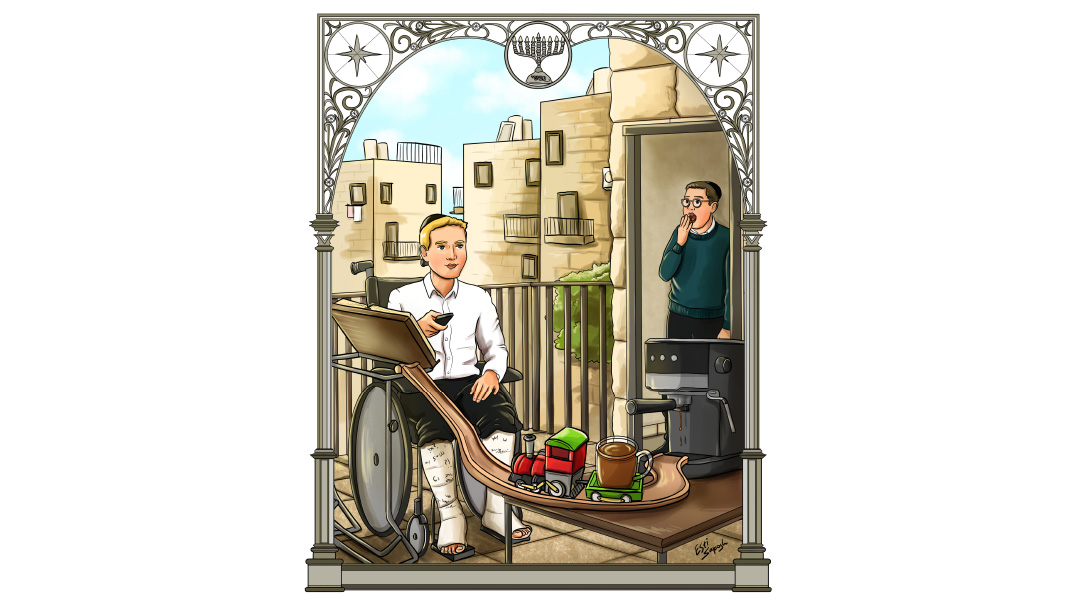
As many patients are tragically alone in their final moments, hospital chaplains are facing the most unimaginable challenges of their careers

At 26, Jason Weiner was in his yeshivah’s semichah program, hurtling toward his decade-long dream of becoming a pulpit rabbi. The program included a mandatory one-month chaplaincy internship, at the end of which the students had to write a summary of what they had learned. Jason’s read: “At least now I know that chaplaincy isn’t for me.” Hard as he tried to be helpful, he felt perpetually uncomfortable and inadequate.
Two years later, the eager young assistant rabbi on the cusp of a promising career in Los Angeles was told by the rabbi he worked for that the hospital chaplain at Cedars-Sinai Medical Center had taken ill, and he asked Jason to fill in. His heart sank. Oh no, not that.
Still, he found mentors, asked a lot of questions, got trained, and watched his own metamorphosis in surprise, as discomfort made way for competence, burgeoning into a passion even greater than his original dream. Twelve years later, he’s still at Cedars-Sinai, as the hospital’s senior rabbi and director of the Spiritual Care Department.
While life for all of us is comprised of moments in which we can make an impression on the world in many different ways, the moments in the day of a hospital chaplain are particularly filled with deep potential: to soothe excruciating emotional pain, to transform an entire family’s perception of Torah Judaism, to help prepare a dying Jew for the Olam HaEmes, to allow a person to die at peace with himself.
Create a free account to keep reading.