We asked a selection of kiruv mentors: What’s the music that accompanies the message?
R
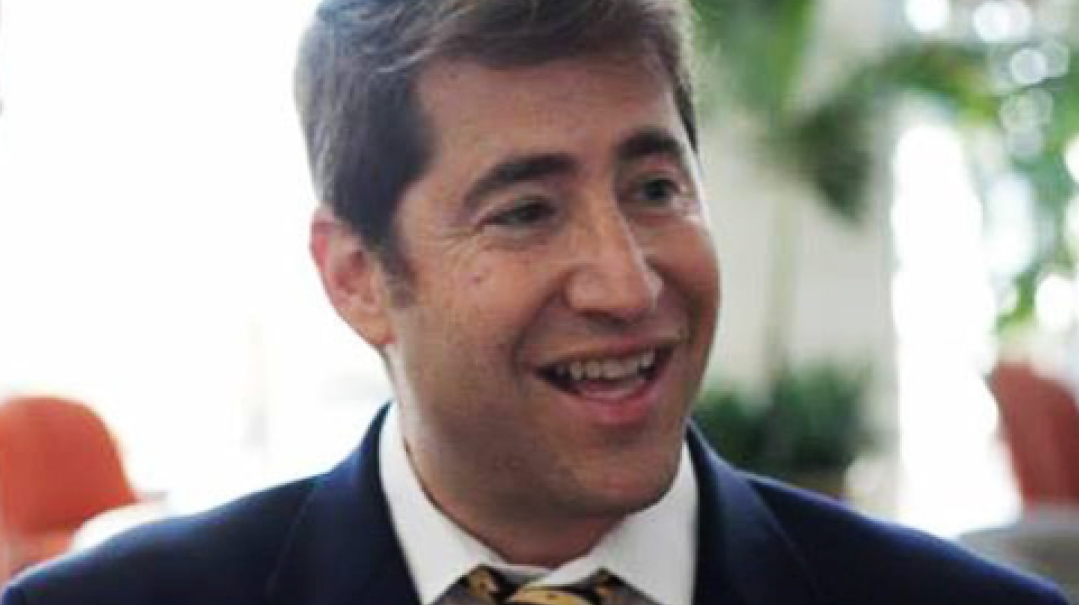
ABBI BENZION KLATZKO, longtime leader in campus kiruv, education director for Olami Worldwide on North American college campuses, and mega Shabbos host, is best-known as the founder of the social network Shabbat.com.
Music speaks to the neshamah when words don’t suffice. Back in olden times, a korban could only be brought while the Leviim were singing. On a personal level, we’re a musical family and we’ve been live-streaming Havdalah for many years. For some people, our Jewish family-style music was the beginning of their religious journey. Likewise, on our trips to Eretz Yisrael for new baalei teshuvah, music is embedded as part of the experience.
One of the most tried and true is “Tov Lehodos.” The tune is perfect kumzitz-style, without too many words. We sing the second part again and again. Another one that always works is “Atah Banim Shiru Lamelech,” and then there’s my own swing-style composition for Mah Nishtanah. I teach that to all the groups, no matter the time of year, and it’s been very well received.
I don’t always go through the zemiros book. If the crowd is not frum, they’re not usually up to doing “Baruch Keil Elyon.” We do have some brand-new home-composed tunes for certain Shabbos day selections like “Chai Hashem” and “Yonah Matzah.”
Create a free account to keep reading.