I presented the question to a roundtable of askanim and people on the street: Has our community burned bridges with over-the-top demonstrations of support for one party over another?
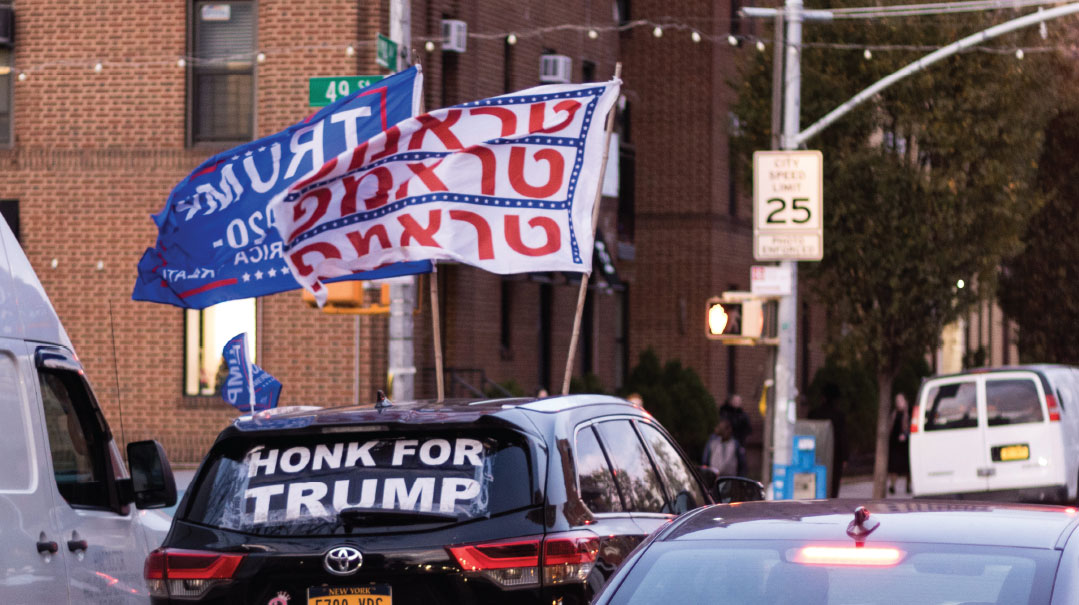
In the past, Jews in galus have been cautious to maintain strong relationships with whoever is in power and whoever has the potential to rise to power. Some of the community’s recent behavior has seemed like a strong departure from that policy, and many wonder about the long-term repercussions.
I presented the question to a roundtable of askanim and people on the street: Has our community burned bridges with over-the-top demonstrations of support for one party over another? And how do you build lines of communication with officials who know we didn’t vote for them?
 Rabbi Eli Steinberg, Communications consultant and Columnist
I’ve found in my experience that political operatives don’t have a problem with you not supporting them if you show you can stand for something. Of course, they want to see that there’s a way they can get your support as well. If you’re clear about what it is that’s in the way — concerns over religious liberty, for example — they will actually understand you.
There is a very clear distinction between people who operate in good faith and people who don’t. And you can tell it when you engage with them. Those who operate in good faith recognize that you can have differences of opinion about how to solve the big issues. And so long as that’s a given, there’s nobody I can’t work with, and nobody — not even a Democratic Socialist — who I’d write off just because of their politics.
Create a free account to keep reading.