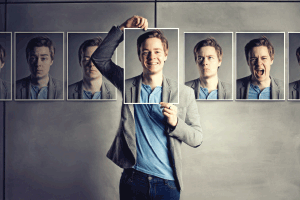
Nobody wears a mask when they’re alone — a mask is meant to communicate something. What does a mask tell others about us? “Costumes are about wish-fulfillment ” says clinical psychologistJoshHooberman. Putting on a fireman’s hat or a doctor’s scrubs for example lets you live out a fantasy of saving people’s lives just for a little while. Dressing up may also give you “permission to let your dark side come out ” according to psychology professorDennisRains of Kutztown University in Pennsylvania. It’s not nice to be an evil villain but when it’s just a costume it makes everyone smile. Another factor in costume choice: by dressing up as something we fear we diminish its power — if we become “it ” we can’t be hurt by “it.” On Purim it’s all done in fun. But most people wear figurative masks all year concealing their real selves under the image they choose to show or are expected to show. How does this affect us? And how can we get to know the person underneath?
To read the rest of this story please buy this issue of Mishpacha or sign up for a weekly subscription