Iran is fighting a long war, and declaring victory is premature
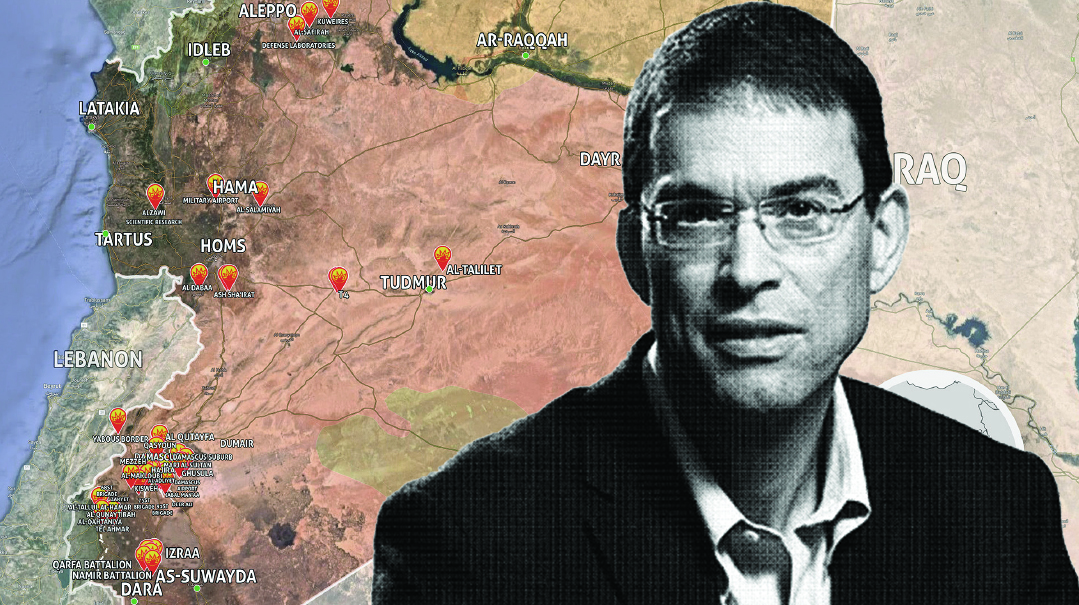
Widely attributed to Israel, the air strikes were likely just the latest act in a years-long Israeli campaign to prevent Tehran from entrenching itself on the country’s borders. But the echoes of the explosions in Syria were meant to be heard in Washington and Europe too. As the Biden administration declares its interest in reentering the nuclear deal with Iran, both Iranian and Israeli moves are part of a strategy of exerting leverage in upcoming negotiations.
In a conference call facilitated by MediaCentral and in follow-up emails, Brig. Gen. (res.) Assaf Orion, a senior fellow at the Institute for National Security Studies, detailed the context of the latest strikes, spoke about the Trump administration’s success in establishing deterrence vis-à-vis Iran, and compared both Israel and Iran’s “slow-cooking, not stir-fry” approach to war-making.
What we’ve heard is that there were dozens of strikes at Boukamal and Deir ez Zor in eastern Syria, reportedly including Iranian Revolutionary Guards targets, Afghan and perhaps Iraqi militias, and possibly Syrian army units.
The wider context of these strikes, which were about 600 kilometers away from Israel, works in several layers. In August last year, the IDF said that since 2017, they’d struck over 1,000 targets across Syria. So that has been happening every two or three weeks for the last few years, and we can plot those attacks using open sources from Syria, to see what the IDF strategy is. Many of those attacks are on Syria’s Golan front with Israel, to stop Iranian proxies entrenching there; others are along the Euphrates, Iran’s supply lines into Syria, since logistics plays a central role in fighting far from home; and third, against command and research facilities around Damascus and Aleppo.
Create a free account to keep reading.