Frieda lost her father and some of her siblings in the war. After the war, she and her mother traveled to Paris to search for surviving family members. From there, she made her way to New York, where she attended Rebbetzin Kaplan’s Bais Yaakov seminary.
In 1948, she married Rav Shlomo Halberstam, zt”l, who had lost his first wife and two of his three children in the war. Overnight, her life changed completely — she became rebbetzin to a community of survivors who rose above the Gehinnom they had been through, and for the most part were just happy to be alive. The Rebbetzin would say, “Whatever I went through, it should be so that my children and grandchildren shouldn’t have to suffer.”
When the Halberstam children were younger, they weren’t good eaters, and sometimes Rebbetzin Halberstam was so upset that they didn’t want to eat that she would cry about it. “We were typical kids,” says her daughter Rebbetzin Sara Meisels, wife of Rabbi Yaakov Yisroel Meisels of Kiryat Bobov in Bat Yam. “We would come home from school, open the fridge, and say, ‘Uch, there’s nothing to eat.’ And my mother, who was always so positive, would say, ‘Don’t say that.’ She had experienced five years of true hunger in Siberia, and wanted us to appreciate the food we had.”
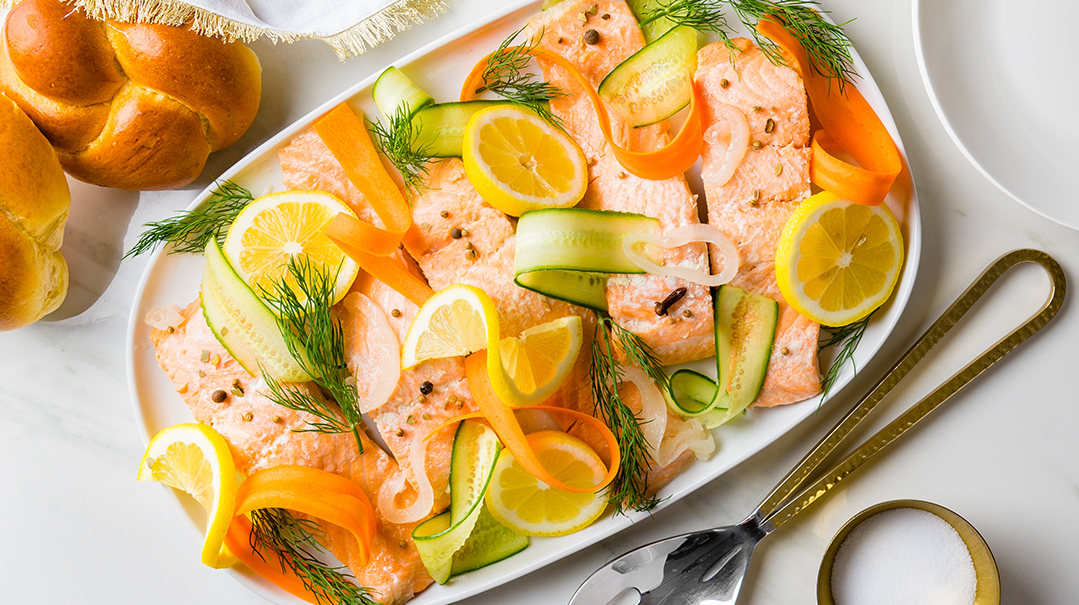
In a scene familiar in many homes, the Rebbetzin’s kitchen would get hectic on Erev Shabbos, with pots boiling over and mounds of food everywhere, but all of the preparation was done with love. One Erev Shabbos, the Rebbetzin was transferring cooked fish to a pot when the whole pan slipped and fell, and the fish was ruined. She immediately shrugged it off and said, “It’s min haShamayim, and since it’s a mitzvah to prepare fish for Shabbos, I’ll start again!”
Create a free account to keep reading.