THE CURRENT → A FEW MINUTES WITH Issue 1047 · January 29, 2025

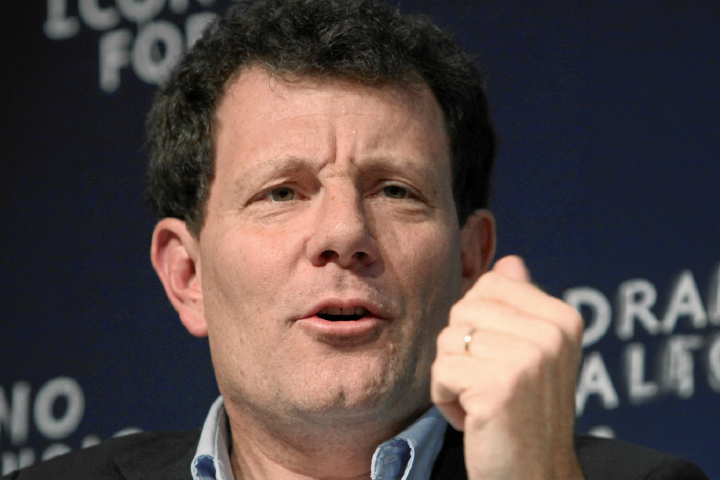
A Few Minutes with… Amir Avivi   

“We cannot allow Hamas to regroup”

A Few Minutes with… Amir Avivi   
Photo: Flash90
The celebrations over the release of Daniella Gilboa, Naama Levy, Karina Ariev, and Liri Albag, the second group of hostages freed in this initial phase —expected to conclude in four weeks — offered a reprieve from the upheaval in the IDF following the resignation of Chief of Staff Herzi Halevi.
Halevi, Israel’s top military officer during October 7, faced sharp criticism for his wartime leadership, particularly in recent months. Although his official departure is scheduled for March 6, the government has already begun considering successors, signaling a shift toward a more aggressive and proactive posture against Israel’s adversaries.
Meanwhile, despite the ceasefires in the south and north, the IDF has initiated operations in the West Bank, another major stronghold of Palestinian terrorism.
To understand what we might expect from the next chief of staff and how Israel’s many active fronts might evolve, we spoke with Brigadier General (Res.) Amir Avivi. He emphasizes, “The agreement to free hostages doesn’t mean we won’t resume fighting. The State of Israel has an obligation to win this war.”
 
Voices across the spectrum in Israel were demanding Herzi Halevi’s resignation, but it’s surprising he would step down in wartime. What’s your take?

Herzi Halevi was the general in charge during the disaster of October 7. After 15 months of conflict, during which military successes have been few and far between, and with widespread grumbling in the ranks over his handling of the war, I believe this is an opportune moment for him to step aside. Some argue this isn’t the best timing, but I consider it necessary.

Defense Minister Israel Katz has presented a short list of candidates: Eyal Zamir, former IDF deputy chief and current director-general of the Defense Ministry; Maj. Gen. Amir Baram, the current IDF deputy chief; and Maj. Gen. Tamir Yadai, the former Ground Forces chief. What can you tell us about them, and who do you think is most likely to be chosen?

In general, all three are good candidates. However, I believe Eyal Zamir has the strongest chance. He previously served as IDF deputy chief and, crucially, has spent the last three years outside the military, meaning he wasn’t part of the leadership during October 7. As commander of the Southern Command, Zamir was the last to plan comprehensive control over Gaza. When he was deputy chief, he voiced opposition to some of the entrenched ideas within the military. These factors make him a solid option.

I know Tamir Yadai very well. I served under his command when he was brigadier general of Division 80. He commanded the Golani Brigade, the Ground Forces Command, and the Central Command. He’s a strategic thinker and often thinks outside the box. His one limitation is that he’s never served as deputy chief.

As for Amir Baram, the current deputy chief, he commanded the Northern Command and led the Paratrooper Reconnaissance Unit. He is highly qualified but was in active service on October 7. This association with the current military leadership could be seen as a liability.

Continue reading with Mishpacha.

Create a free account to keep reading.

Everything you need to stay close to Mishpacha.
← Previous installment Hearts Over Minds  Next installment → Breath of Fresh Air in Belgium