MK Yitzchok Pindrus on what’s at stake for religious parties in Israel’s elections
Photo: Flash90
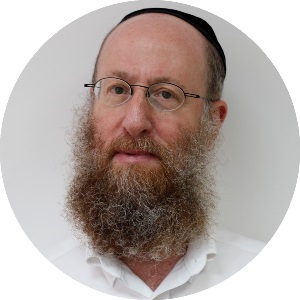
If anyone has a personal stake in United Torah Judaism (UTJ) retaining every one of the eight seats the party won in the previous election, it is Yitzchok Pindrus. UTJ passed the threshold required to win an eighth seat by some 70 votes, enabling Pindrus, seeded 8th on UTJ’s list, to enter the short-lived Knesset session dispersed after Prime Minister Netanyahu failed to form a coalition. Pindrus — the former mayor of Beitar Illit and deputy mayor of Jerusalem — met with the foreign press corps last week in Jerusalem. In a wide-ranging news conference, he exuded confidence about the outcome of next week’s vote, tempered with a strong dose of realism that following the election, chareidim may well be on the outside looking in.
The final poll taken before the last election gave Shas four seats. They ended up with eight. I don’t see any reason why Shas voters would stop voting for Shas. We’re going to get 3% to 5% more of the vote because religious issues have become more prominent in this campaign. We also believe voter turnout among the secular parties will be lower than it was in the previous election because people have lost faith in the political parties. No one who voted for Shas or UTJ the last time have said they won’t vote for Shas and UTJ this time.
We know these are real issues, ones we’ve been going through for 70 years. None of this just happened today. In 1948, we were 2%to 3% of the population. Today we are 10% to 12%. It’s not like stores were open in Jerusalem in 1948 and then we became a majority and closed them down. People do see more Orthodox Jews walking around in the streets and getting into positions of power. But we have never tried to change anything in the status quo we’ve had here since 1948. We want things to remain as they always have been. Don’t try to run buses and trains on Shabbos and don’t open the malls. It’s not us who are trying to change things. It’s the other parties who are trying to change things. We are trying to stop them.
In the last 20 years, Lieberman has always campaigned on issues that will be good for his campaign. Nothing he campaigns on is relevant the day after the elections. In the last campaign, he said he would go with Netanyahu and the day after the election, he didn’t. He campaigned that the day after he became defense minister he’s going to kill [Hamas head Ismail] Haniyeh in 48 hours. Did Lieberman lie? No. He knew it’s something nobody can do, so it was his joke. Then when he finally quit as defense minister — does anyone understand why he quit? We know that Lieberman says one thing in the campaign and then the next day, does what’s best for Lieberman.
Create a free account to keep reading.