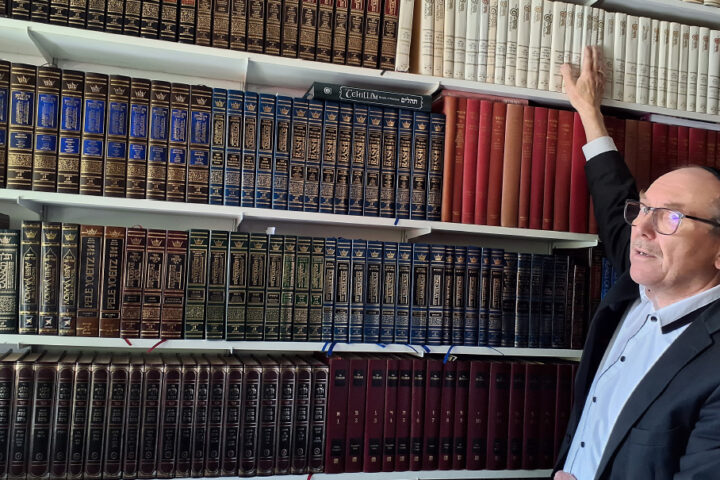
Tehillim must be read not only with the heart, but also with the mind

Whenever life’s challenges became difficult, my European grandmother used to say: “Farlaz zich nisht oif nissim; zag a kapitel Tehillim — Don’t depend on miracles; recite a chapter of Psalms.”
Almost every Jew — and much of the rest of the world — is familiar with the book of Tehillim. In sickness and in health, in despair and in joy, in fear and in confidence, in the darkness of night and in the glowing midday sun, the 150 chapters of Tehillim provide sustenance and courage and hope to frail human beings. No one can exist without Tehillim — not the soldier on the battlefield, not the fearful patient in the hospital, not the scholarly rosh yeshivah, not the nervous student, not the bride and groom under the chuppah. Is there any other book in the entire world that has spoken so directly to the human heart for the past 2,500 years?
Tehillim are not only emotional, however; they are also intellectual. They must be read not only with the heart, but also with the mind. For example, the very first verse of the first chapter presents an intellectual challenge.
Ashrei ha’ish —Blessed [or happy, or praiseworthy, or fortunate] is the man
Create a free account to keep reading.