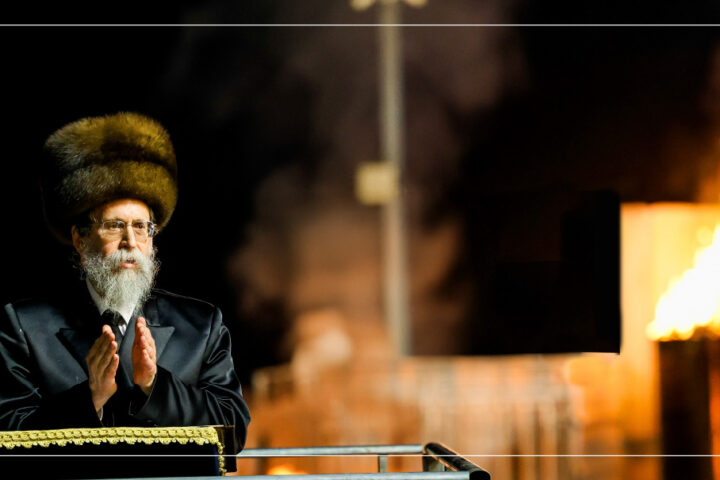
How should Jews relate to a generation of young Germans who want to escape the shadow of the Holocaust?
How should Jewish people relate to a generation of young Germans who want to escape the shadow of the Holocaust?
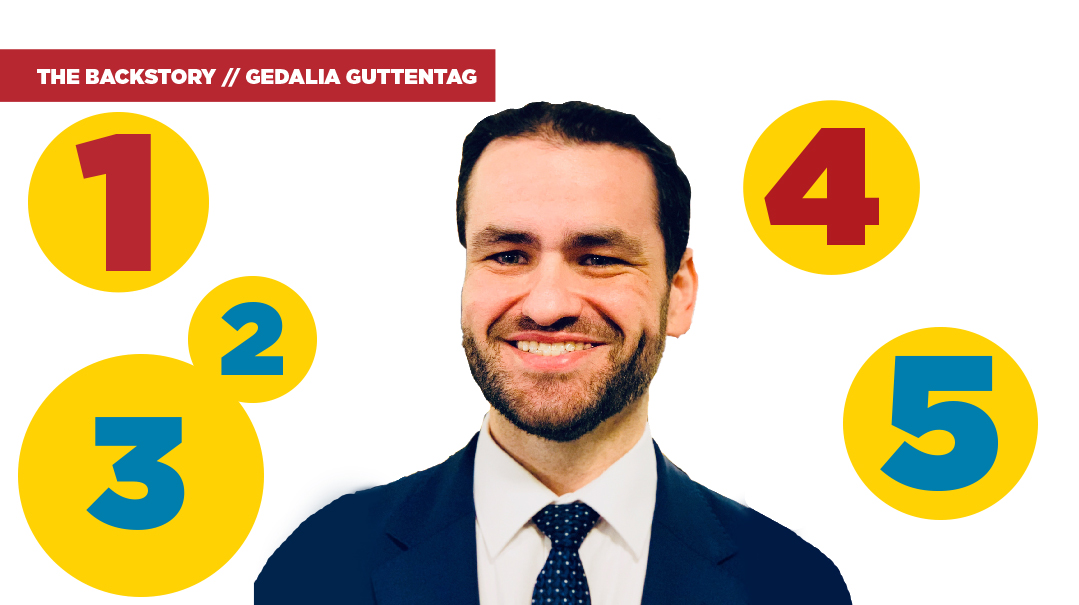
That question hovers over the decision by Hungarian-born, German-raised Rabbi Moti Balla to take up the post as the German Army’s first Jewish chaplain in a century. Given the country’s dark past, the announcement created waves, and a conversation with Rabbi Balla shed light on the unusual experiences that the Bundeswehr rabbi has in store. Five takeaways
1.Normal Country
“No, I don’t have a strange feeling being a rabbi in Germany’s army,” Rabbi Balla says. “If someone gave you a ticket for the Colosseum, would you not visit because it had been built by Jewish slaves? Even though in historical terms 77 years is the blink of an eye, we have to recognize that Germany has moved on. Would anyone have thought that Germany would have a yeshivah? There are a quarter-million Jews here, and we need to look after them.”
2. Civilian
The Bundeswehr’s determination to rectify its past, per Rabbi Balla, began with its formation. During the de-Nazification process in the war’s aftermath, the German Army was disbanded, and the new federal defense forces were established in 1955 on pacifist grounds. “One of the conditions was that clergy should remain civilian, so I have no military rank,” he explains. As for reports of neo-Nazi activity in the army, Rabbi Balla says, “The far right should be fought everywhere, but we need to be part of the rigorous education process that the army implements.”
Create a free account to keep reading.