Now that the long winter stretches ahead, many of us are trying to spice our children’s days with extracurricular activities. Music lessons are the quintessential choice of parents looking to enrich their children’s lives. It’s tempting to pick an instrument based on what’s most readily available, like Bubby’s old piano. But there are a lot of factors to consider, from your child’s personality to his innate strengths.
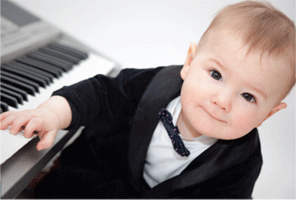
“Mommy!” your son shouts as he races through the door lunch bag slung over one shoulder eyes shining. Without catching his breath he announces “I want to play the clarinet!” He then launches into an animated description of the clarinet his rebbi brought to class complete with hand movements and sound effects.
Listening to your little boy you smile. You’ve always dreamed of a home filled with music. And you’re well aware of the many proven benefits of music study among them improved attention span and hand-eye coordination as well as the development of personal responsibility and time management. You’d also love to help him find an avenue of self-expression and creativity that will enrich his confidence and sensitivity.
Yet you wonder would the clarinet suit him best? Perhaps the violin would be better? Or is he too young? What about the piano? But is he too small to play such a big instrument? You want him to be happy making music but don’t know where to begin.
Sound Check
When it comes to picking an instrument the decision could be as simple as going with what your child first shows interest in. You could also choose something that’s familiar (what a friend or sibling plays) or readily available (Bubby’s old piano). The ideal way to narrow in on the right instrument however is to make a “sound” decision.
Create a free account to keep reading.