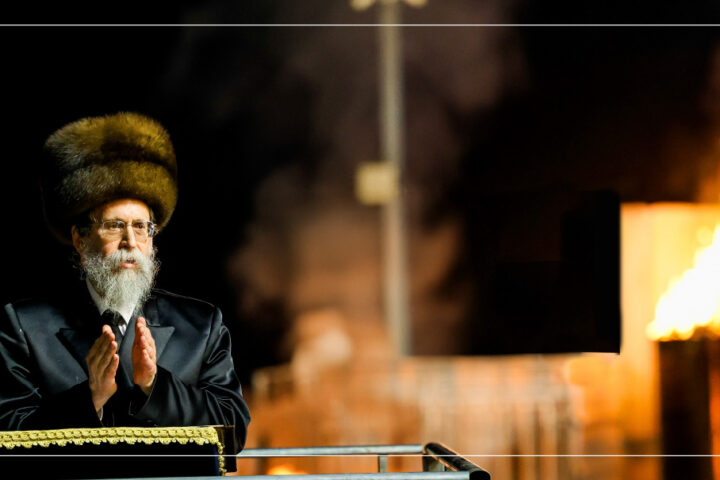
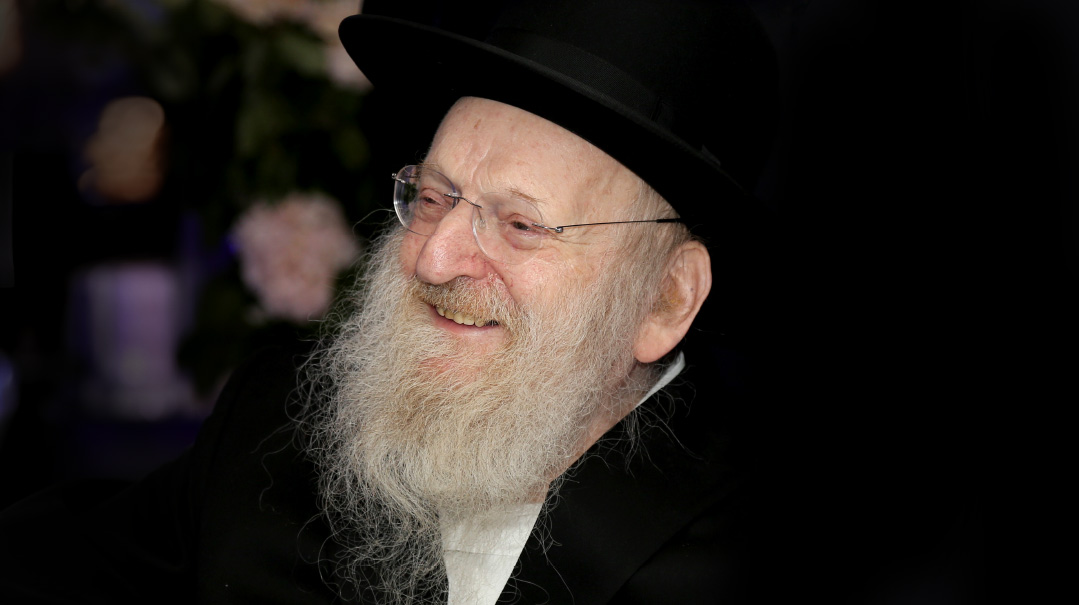
Rav Mattisyahu Salomon saw how all of us could rise to our best selves
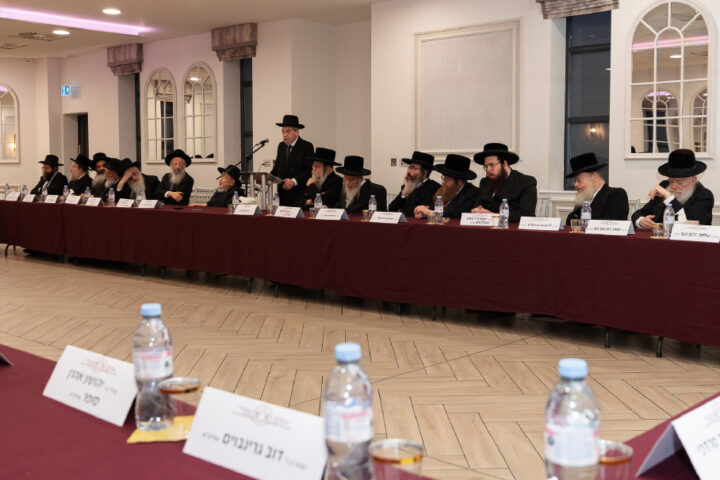
The tens of thousands who packed into New York’s Citi Field stadium in May 2012 for the so-called “Internet asifah” knew they were witnessing history. Against the backdrop of scoreboards and advertising hoardings, a long dais evocative of a Daf Yomi siyum featured an unprecedented lineup of roshei yeshivah and chassidic rebbes. In the Torah world’s long-running battle with technology, the event promised to be a turning point.
Even after three and a half hours of speeches, when Rav Mattisyahu Salomon got up to address the crowd, the massive audience sat up in anticipation.
“Moirai v’rabbosai,” he thundered, his British diction rolling across this most American of venues. “Drink in this sight! Since the times of the Beis Hamikdash, this has never happened, such a gathering for kevod Shamayim.”
The sight of Reb Mattisyahu Salomon at the height of his powers was a mesmerizing display. His voice rising and falling, the Lakewood Mashgiach gave a masterclass of oratory as he framed the struggle over Internet access in frum homes as an existential battle for the Jewish future. It was as if the entire distilled force of his Torah personality — the decades of mussar, his burning passion for kedushah, his powers as a leader — had been poured into that one speech.
Create a free account to keep reading.